01
Uniform flat inspection
Existing tests cannot detect the nervous system signal errors hidden behind “no abnormalities.”
OSANG SPECIALTY CENTER
NEURAL RESET PROTOCOL
The Neural Reset Protocol is Osang Neurosurgery's integrated dysautonomia treatment program that gradually restores the balance of the overall autonomic nervous system based on the results of autonomic nervous tests (HRV, standing tilt, and brain waves).
Consultation Request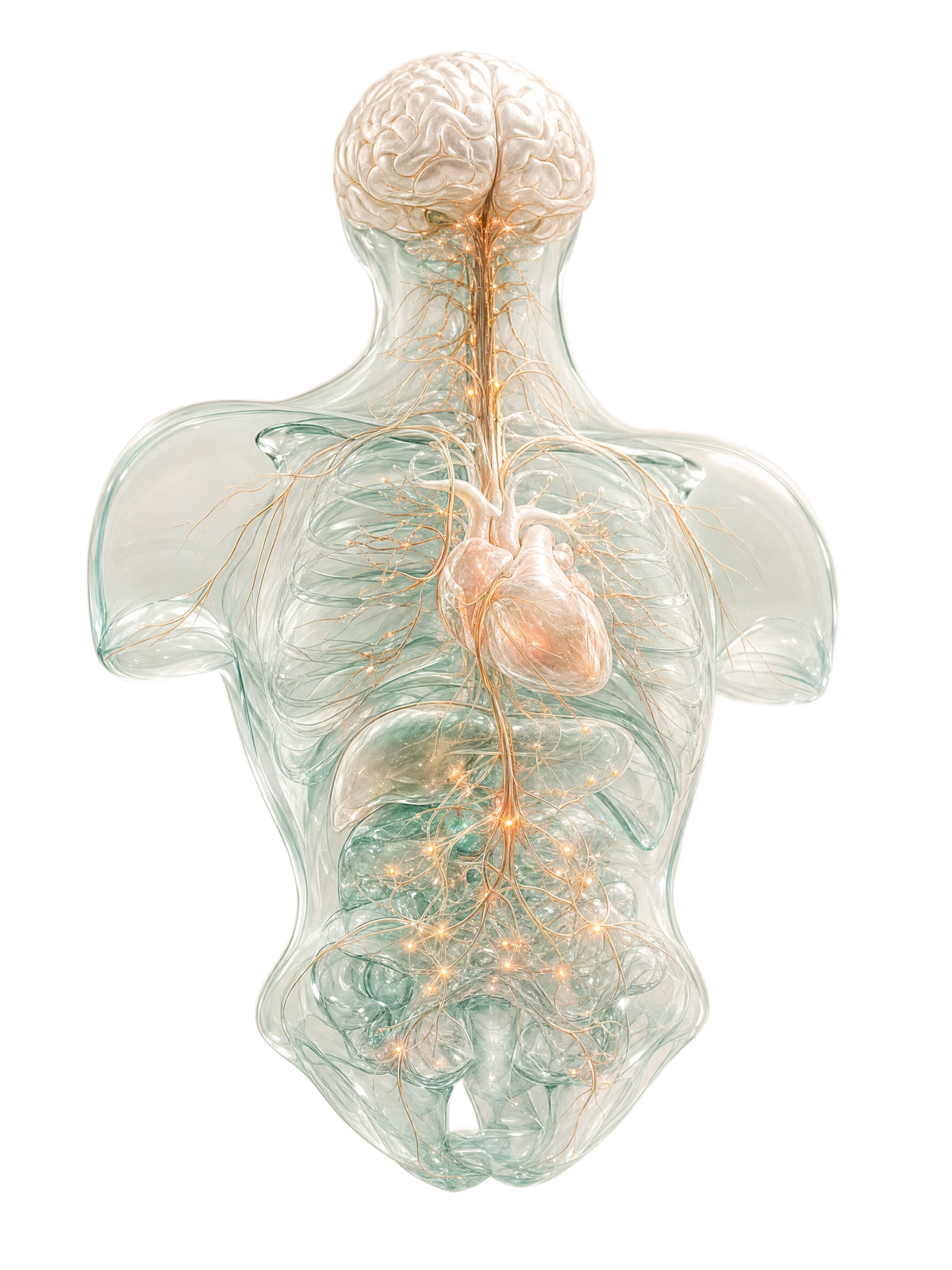
OSANG MEDICAL PROGRAM
THE PROBLEM
Blood tests, endoscopy, and electrocardiogram were not detected anywhere. Even if I change hospitals, the answer is always the same. “There’s nothing wrong.”
01
Existing tests cannot detect the nervous system signal errors hidden behind “no abnormalities.”
02
We only look at the sick organs. No one sees that the autonomic nerves that control those organs have collapsed.
03
The nervous system is already hardened and sensitive, so no matter how good the treatment is, the body cannot accept it.
04
The balance between the brain, nerves, immunity, and hormones is broken, and the body's ability to repair itself stops.
05
Since the procedure is repeated without first unlocking the locked system, the cycle of recurrence is unbroken.
Without a fundamental system reset, the body's recovery cannot begin.
If you haven't found the answer so far, now direction of the questionYou need to change.
PRECISE DIAGNOSIS
Just because your test results are normal doesn’t mean your body is normal. We analyze the balance of the four axes of the autonomic nervous system, which existing tests miss, to see where the problem originates.
TREATMENT METHODS
We selectively combine only the necessary treatments depending on the condition and symptoms of the 4 axes of the autonomic nervous system.
PERIPHERAL · Peripheral
Stellate Ganglion Block · SGB
Local anesthetic is injected into the cervical C6-C7 stellate ganglion to immediately block overactive sympathetic nerves. It can help improve palpitations, sweating, facial flushing, and PTSD.
CENTRAL · Central
Transcranial Magnetic Stimulation · TMS
Noninvasive stimulation of the frontal lobe (DLPFC) with magnetic field pulses. It helps relieve anxiety, insomnia, and chronic fatigue by reorganizing the autonomic nervous system control circuit in the brain.
PATHWAY · Path
Neuromuscular Physical Therapy
It is a based treatment that relieves chronic tension in the cervical and thoracic muscles and reduces mechanical pressure on the vagus and sympathetic nerve pathways.
CRANIAL · Face
Sphenopalatine Ganglion Block · SPG
Local anesthetic is applied to the sphenopalatine ganglion behind the nose to control facial autonomic responses.
PERIPHERAL · Peripheral
Occipital Nerve Block
Pain signals are controlled by injecting a local anesthetic into the occipital nerve that runs from the back of the head to the crown of the head.
SYMPATHETIC · Principal
Thoracic Sympathetic Ganglion Block
It selectively blocks sympathetic ganglia at the T2-T4 levels of the thoracic spine and is applied to hyperhidrosis conditions such as upper extremity hyperhidrosis, CRPS, and Raynaud's.
CENTRAL · Central
Transcranial Direct Current Stimulation · tDCS
It is a non-invasive adjuvant treatment that modulates the excitability of specific brain regions with low-intensity direct current.
REGENERATIVE · Play
Platelet-Rich Plasma · PRP
High-concentration platelet plasma isolated from autologous blood is injected to help regeneration and recovery of damaged tissue.
MEDICATION · Drug
Autonomic Pharmacotherapy
Depending on the patient's condition, the necessary drugs are prescribed at the lowest dose and for the shortest period of time and are combined with other treatments.
All treatments are selectively combined based on the results of the initial examination (HRV, qEEG, orthostatic tilt). Not all patients receive all of the above treatments.
SIGNATURE PROCEDURES
These are two treatments that are selectively applied depending on the status of the four axes of the autonomic nervous system.
SGB
This is an outpatient procedure that temporarily blocks sympathetic nerve output by injecting local anesthetic into the cervical C6-C7 stellate ganglion under ultrasound guidance.
TMS
It is a non-invasive brain stimulation treatment that delivers magnetic pulses to the frontal lobe using an electromagnetic coil on the scalp, and is performed while awake without anesthesia.
THE 4 AXIS PROTOCOL
We look at symptoms and test results together to determine which axis is involved.
AXIS 01 · CAN
Central Autonomic Network
Treatment begins with examining the brain's default settings. Assess the degree of overload of CAN, which controls autonomic responses at the highest level.
PROTOCOL
This is a step-by-step journey to regain your lost daily life.
4-Axis Multi-dimensional Analysis System
Personalized Optimized Module Curation
Module 1–4 Integrated Recovery Reset
Fundamental Stabilization
FAQ
The Neural Reset Protocol is a treatment that helps relieve symptoms such as headaches, fatigue, and insomnia by restoring the balance of the autonomic nervous system. Through the test, we check your current nerve status and adjust overactive nerve responses step by step to help your body recover to a stable state.
Even if you get enough rest, fatigue may persist or symptoms such as dizziness, headache, insomnia, and heart palpitations may appear. Various symptoms such as indigestion, cold hands and feet, cold sweats, and unreasonable anxiety may recur.
Autonomic problems can be treated in both neurology and neurosurgery. It is important to evaluate the entire nervous system as it is the area that regulates the brain and overall body.
We comprehensively check the current state of neurological function through HRV testing, orthostatic tilt testing, and electroencephalography (QEEG). Based on the test results, the current condition and necessary treatment direction are determined.
Not all patients receive treatment in all four axes. After checking your condition through inspection and consultation, we prioritize the most necessary areas first.
If stress continues, the balance of the autonomic nervous system may be disrupted and symptoms may worsen. Treatment aims to control irritated nervous responses and help the body return to a stable state.
The treatment effect varies depending on the patient's condition and lifestyle. Symptoms may reappear depending on stress or lifestyle, so it is important to receive management and treatment as needed.
If fatigue continues even after sufficient rest and dizziness, headaches, insomnia, and heart palpitations recur, undergo a test to determine whether it is simple fatigue or a condition that requires treatment.
NPT is a non-surgical physical therapy that delivers stimulation directly to the autonomic and peripheral nerve pathways, and Neural Reset is an integrated treatment program that examines the balance of the autonomic nervous system based on test results.
CONSULTATION
The examination and treatment plan will be explained directly by the specialist after your visit.