
OSANG SPECIALTY CENTER
Autonomic Clinic
AUTONOMIC FUNCTION TEST
If you feel sick for no reason,
Autonomic nervous system needs to be checked
Have you heard “nothing wrong” during a general inspection?
Functional abnormalities of the autonomic nervous system can only be confirmed through dedicated tests.
Osang Neurosurgery finds invisible causes through six systematic tests.
6 TESTS
- 01Standing incline table examination
- 02Heart rate variability test
- 03Autonomic nervous system abnormality test
- 04EEG test
- 05DITI (Digital Infrared Thermal Imaging)
- 06Blood Test Panel
TEST PROCESS
OSANG Neurosurgery Diagnostic Process
Tests are selected and customized based on each patient's symptoms.
- 01
Medical Interview
We assess symptom patterns, onset timing, and lifestyle habits
- 02
Autonomic Function Tests
Quantitative analysis of autonomic nervous system status using Tilt Table, HRV, and autonomic nervous system abnormality test.
- 03
EEG & Thermal Imaging
EEG and DITI assess brain function and autonomic nerve distribution
- 04
Results & Treatment Plan
Comprehensive analysis of test results to design a personalized treatment plan
CORE TESTS
Autonomic Nervous System Tests
Core tests that objectively measure the balance between sympathetic and parasympathetic nervous systems.
- 01
Standing incline table examination
Tilt Table Test
- 02
Heart rate variability test
HRV Resting
- 03
Autonomic nervous system abnormality test
Autonomic Function Test
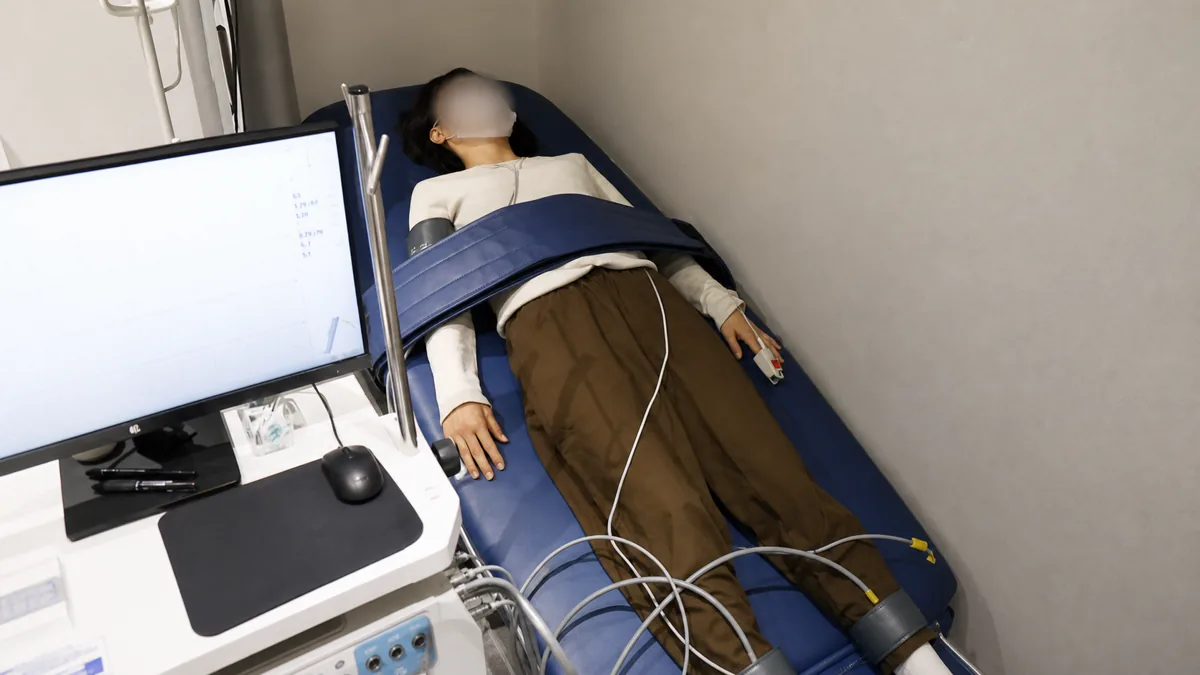
Standing incline table examination
Tilt Table Test
The patient lies on a table that is tilted up to 70 degrees to simulate an upright position. Blood pressure, heart rate, and symptom changes are monitored in real time during postural changes to diagnose orthostatic hypotension, postural orthostatic tachycardia syndrome (POTS), and vasovagal syncope.
- Differentiates causes of dizziness and vision blackout upon standing
- Continuous blood pressure and heart rate monitoring for objective data
- Test duration approximately 30-45 minutes
Heart rate variability test
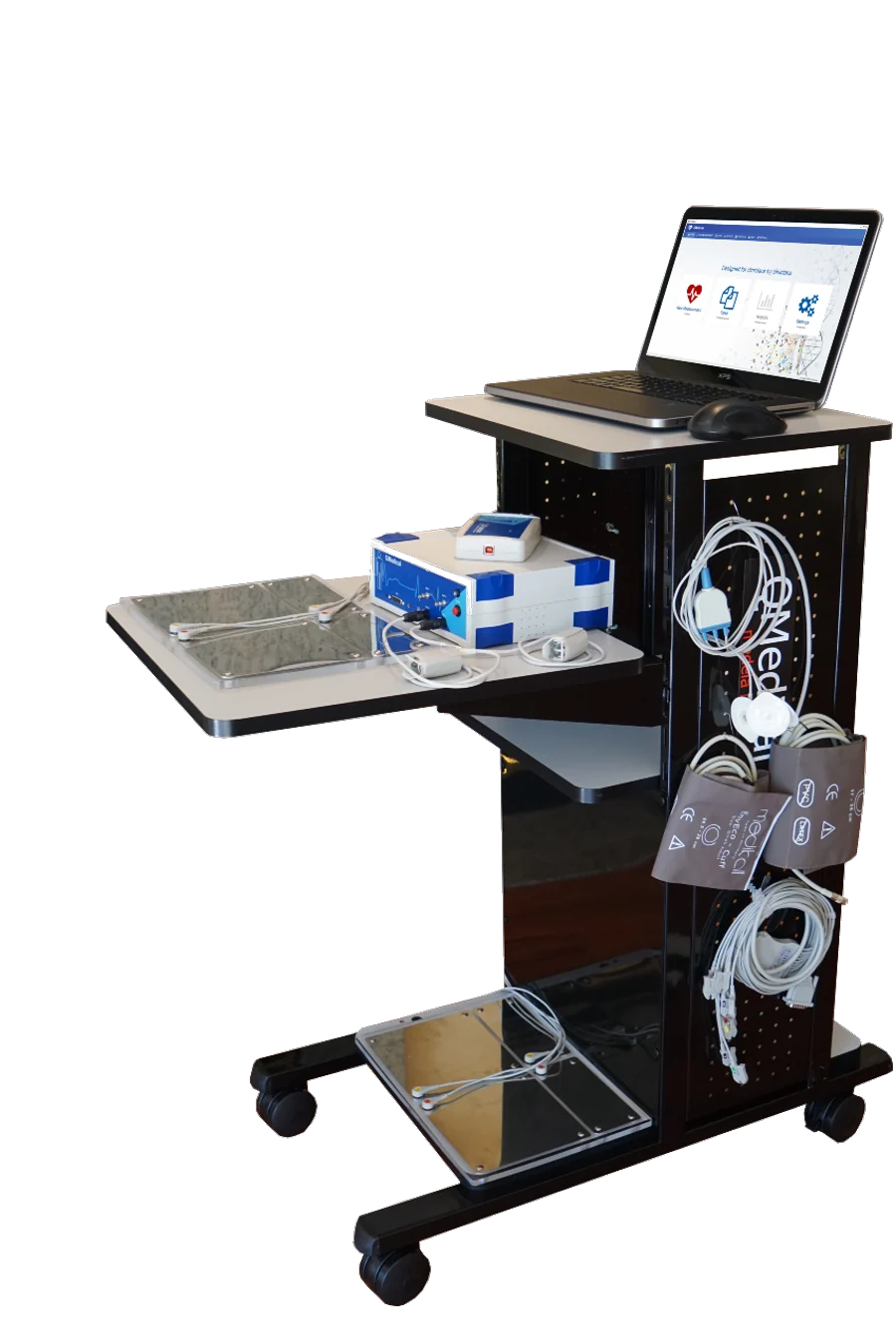
Heart Rate Variability — Resting Analysis
Micro-variations in heartbeat intervals at rest are analyzed to numerically determine the activity ratio between sympathetic and parasympathetic nervous systems. Stress index, autonomic balance score, and biological age are calculated.
- Quantification of sympathetic/parasympathetic activity ratio (LF/HF ratio)
- Objective indicator of chronic stress and fatigue
- Used to track progress before and after treatment
Autonomic nervous system abnormality test
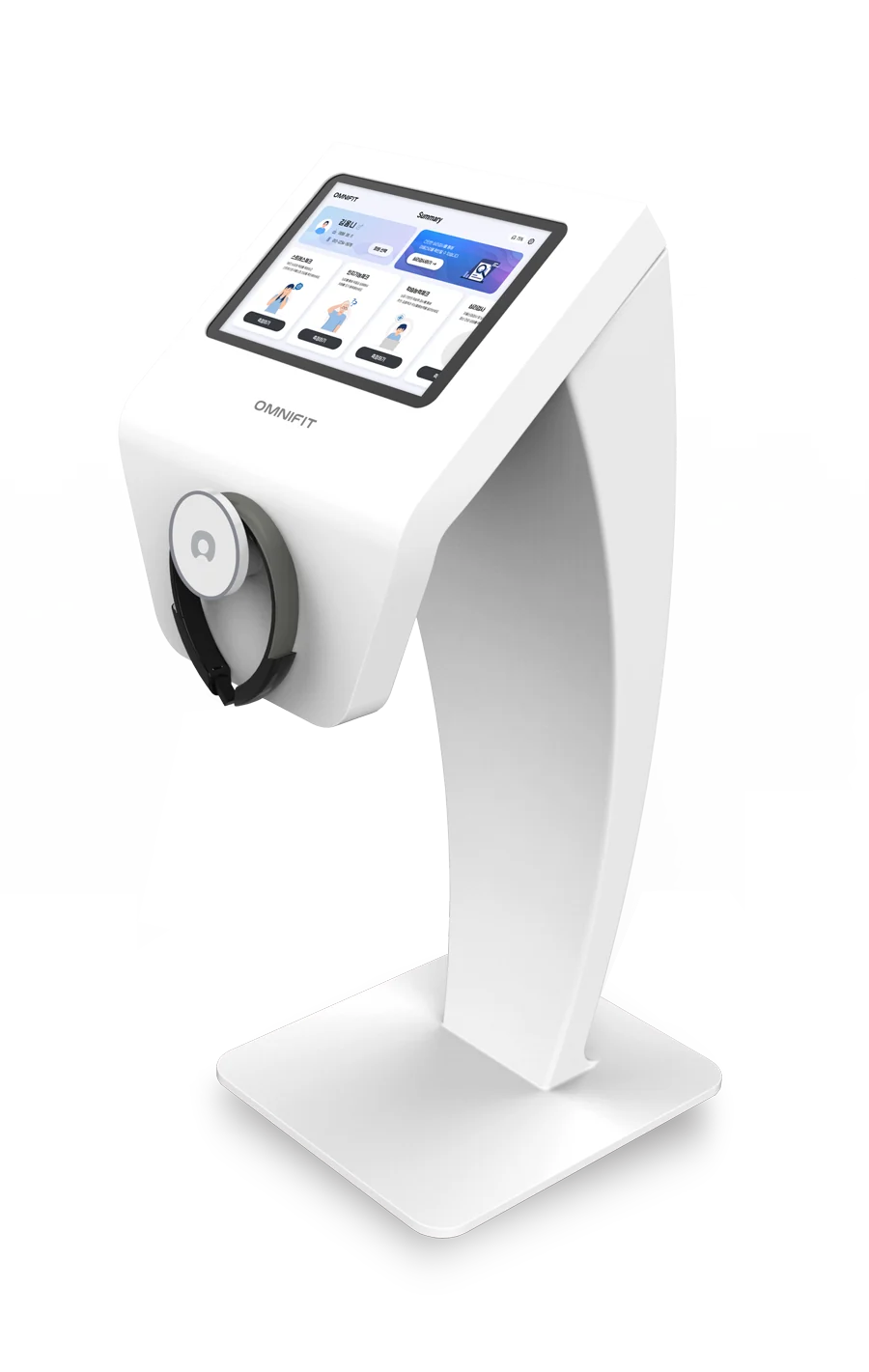
Autonomic Function Test
Blood pressure, heart rate, and respiratory response are also checked to evaluate the reflex functions of the sympathetic and parasympathetic nerves. This is a test that quantitatively checks the autonomic response pattern and degree of functional decline.
- Integrated assessment of sympathetic and parasympathetic reflex pathways
- Essential for determining the severity of autonomic nerve damage
- Non-invasive test, approximately 10-15 minutes
EEG test
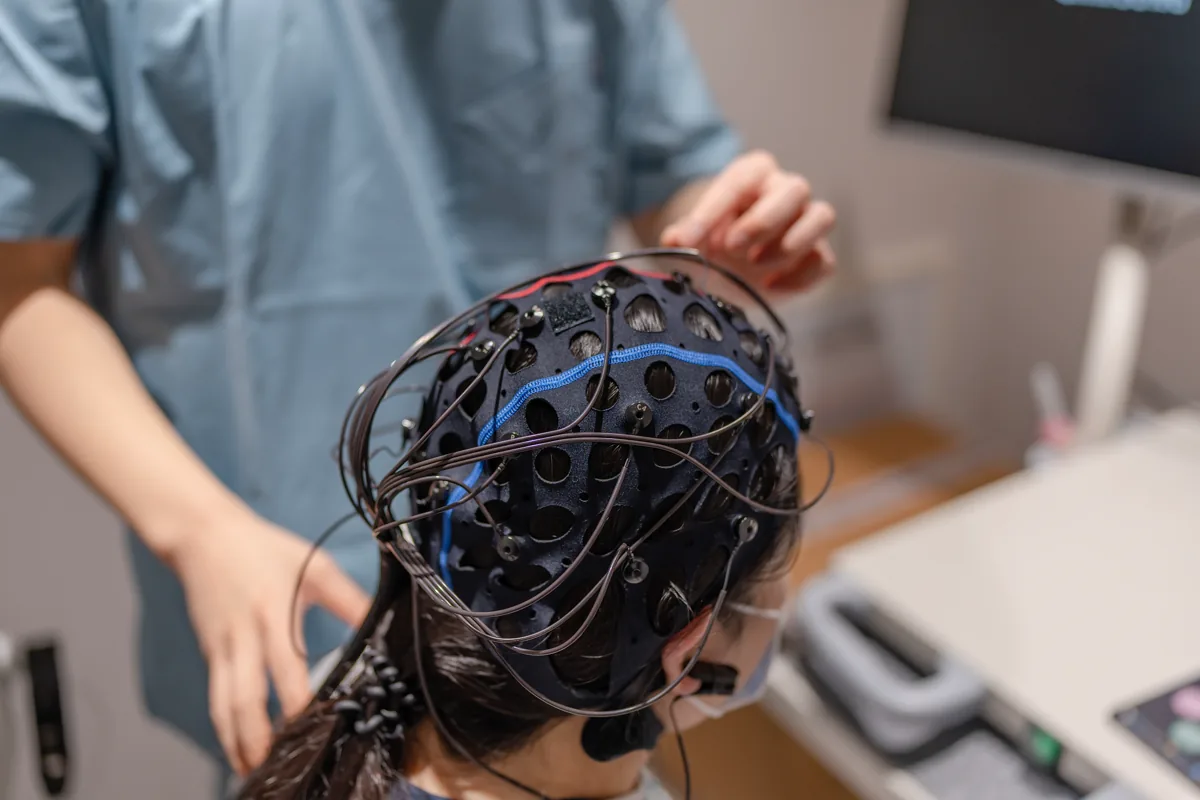
Electroencephalogram
Electrodes are placed on the scalp to record the brain's electrical activity. This identifies brainwave imbalances, hyperarousal patterns, and sleep-related abnormalities commonly seen in dysautonomia patients, helping to determine treatment direction.
- Brain function assessment through alpha, beta, and theta wave distribution
- Objective evidence for anxiety, insomnia, and concentration difficulties
- Used for Transcranial Magnetic Stimulation (TMS) treatment planning
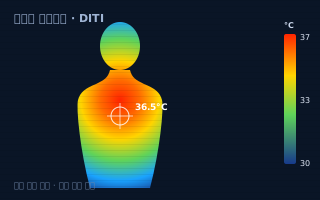
DITI (Digital Infrared Thermal Imaging)
Digital Infrared Thermal Imaging
Infrared radiation emitted from the body is detected to create thermal images of the body surface temperature distribution. This visually identifies left-right asymmetries and abnormal patterns in blood flow and body temperature regulated by the autonomic nervous system, helping to locate pain areas and regions of autonomic dysfunction.
- Visualization of peripheral blood flow controlled by the autonomic nervous system
- Left-right temperature asymmetry helps estimate nerve damage locations
- Non-contact, radiation-free — completely safe test
Blood Test Panel
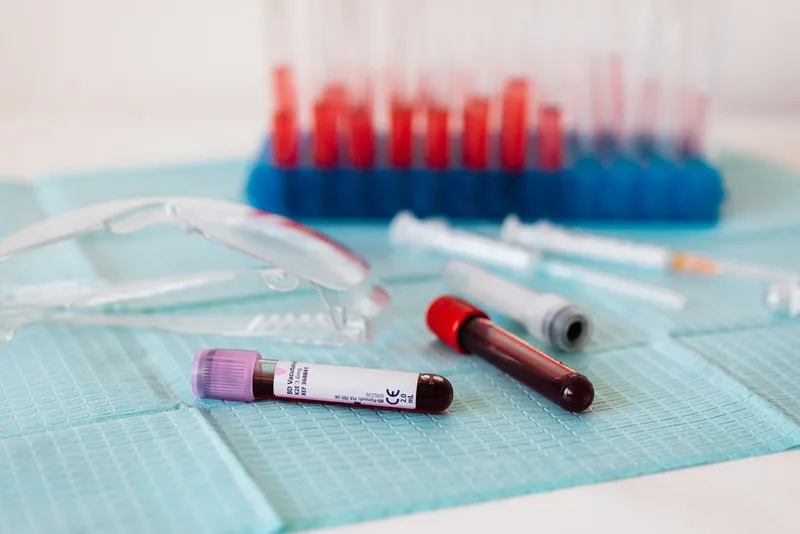
Blood Test Panel
This test screens for other conditions that can cause symptoms similar to dysautonomia, such as thyroid disorders, anemia, diabetes, and vitamin deficiencies. By ruling out underlying conditions, we can focus on autonomic dysfunction and reach an accurate diagnosis.
- Checks thyroid function, blood sugar, electrolytes, and anemia levels
- Screens for vitamin D, B12, and other deficiencies
- Differential diagnosis of similar conditions improves diagnostic accuracy
FAQ
autonomic nerve test,
Frequently Asked Questions
Q1What are the tests for dysautonomia?
We systematically perform standing tilt table testing, HRV heart rate variability analysis, autonomic nervous system abnormality testing, EEG electroencephalography, infrared thermography (DITI), and blood tests. We conduct a combination of necessary tests depending on the patient's symptoms.
Q2How long does the test take?
The entire test takes approximately 1 to 2 hours. The required test items may vary depending on your individual condition, and a customized test is performed after consultation with a specialist.
Q3Are there any preparations before the test?
It is recommended that you refrain from consuming caffeine before the test and come in comfortable clothes. If you are taking any medications, please let us know in advance.
Q4How is it different from a general health checkup?
A general health checkup is a test that checks for structural abnormalities in organs. Autonomic nerve function tests evaluate the ‘functional’ state of the nervous system, so autonomic imbalances can be detected even if there are no abnormalities in general tests.
Q5Is health insurance applicable?
Basic medical treatment and some tests are covered by health insurance. Depending on the detailed test items, non-coverage items may be included, so please confirm through phone consultation before visiting the hospital and we will inform you.
CONSULTATION
quick consultation
If you want?
Please briefly tell us about your symptoms.
A consultation coordinator will contact you quickly.