01sleep and recovery
check firstIf you lack sleep, wake up frequently, or are overworked

OSANG SPECIALTY CENTER
BRAIN FOG GUIDE
Brain fog is not the name of the disease. This refers to the feeling of difficulty concentrating and slow thinking. Several causes, including sleep, fatigue, medications, and physical condition, must be examined together.
STRUCTURE×FUNCTION
PATIENT WORDS
SIGNAL CHECK
What is more important is when it started and when it gets worse, rather than how many there are.
POSSIBLE CAUSES
Bar length does not indicate the likelihood of illness. This is an easy-to-view summary of commonly checked items.If you lack sleep, wake up frequently, or are overworked
Anemia, thyroid, nutritional status or recovery process after infection
Taking medications, drinking alcohol, feeling anxious or depressed, or prolonged stress
Headache, dizziness, discomfort when standing up, or memory changes
CLINICAL MAP
If you look at when it gets worse and how much you need to rest to get better, the order of finding the cause becomes clearer.
DIFFERENT STARTING POINTS
If you lack sleep, wake up frequently, or are overworked
Anemia, thyroid, nutritional status or recovery process after infection
Taking medications, drinking alcohol, feeling anxious or depressed, or prolonged stress
Headache, dizziness, discomfort when standing up, or memory changes
Even if the symptoms are the same, treatment is starting point and linkI see it differently from now on.
DIAGNOSTIC SYSTEM
First check when symptoms occurred and changes in your life, and select testing items only when necessary.
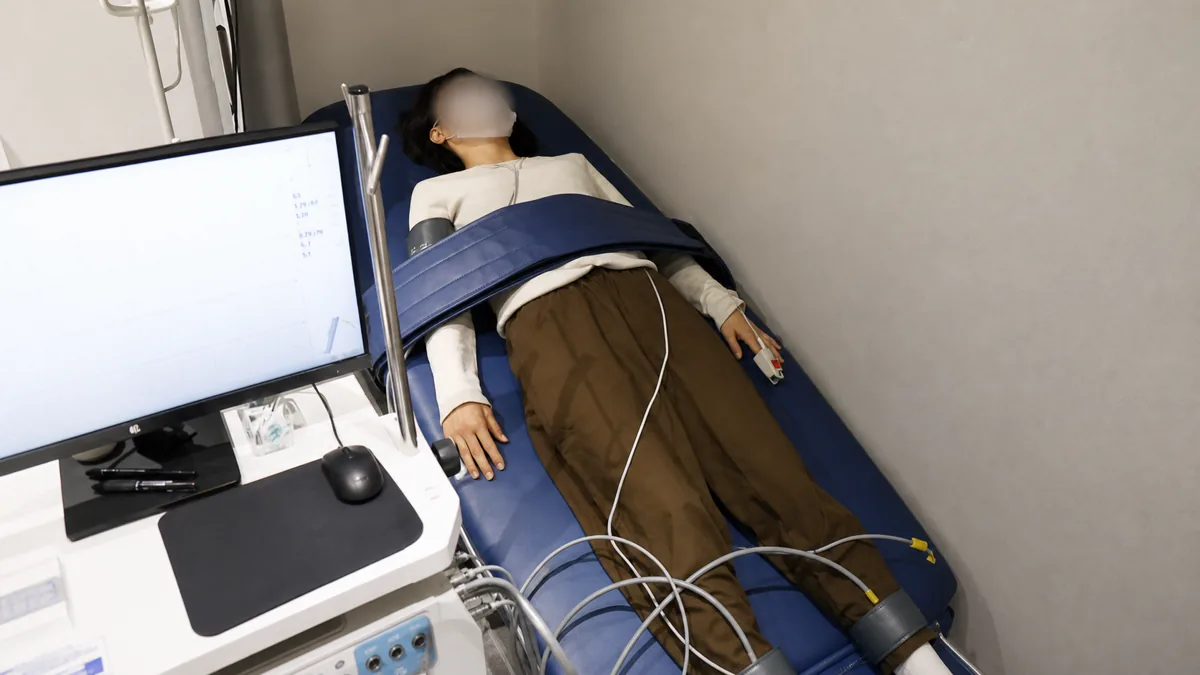
Depending on the symptoms, changes in standing posture, gait, and balance function are objectively checked.
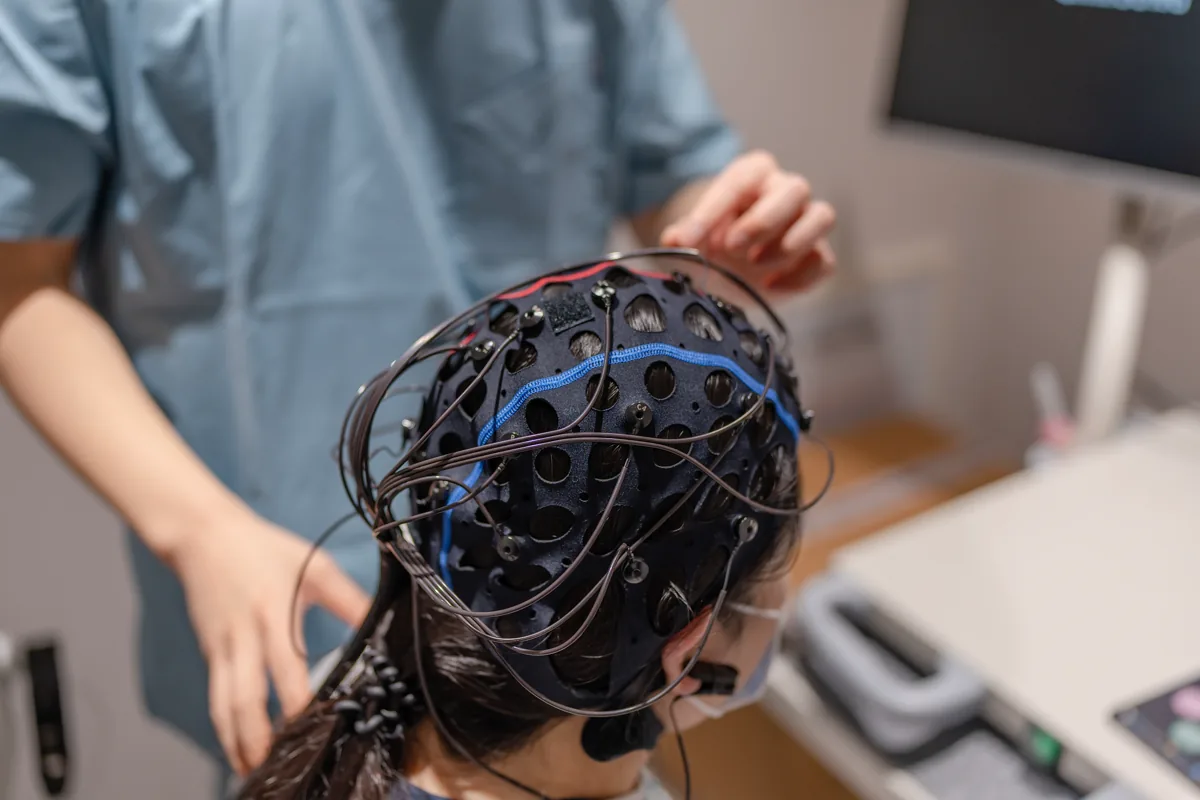
It is not applied uniformly to all patients and is selected as an adjunct when there are clinical clues for seizures or functional evaluation.

When dizziness, palpitations, discomfort in standing, and recovery rhythm occur together, we examine necessary items such as HRV.

Screen for correctable causes that may be associated with symptoms, such as anemia, thyroid, metabolic and nutritional conditions.
ONE-STOP TOTAL CARE
Rather than the name brain fog, the next steps are determined based on the identified cause and the most uncomfortable part of daily life.
We first hear when the discomfort began and how it changes after sleep and activity.
Select only the checks you need based on your symptoms and previous test results.
Symptoms that appear along with sleep and activity are adjusted according to the identified cause.
Determine the next steps by looking at what has improved in your daily life and what continues to be uncomfortable.
PERSONALIZED SOLUTION
We don't apply the same method to everyone. We sequentially look at symptoms that appear along with sleep, life rhythm, and medications taken.
In addition to how long you sleep, we also look at whether you sleep regularly and how much you move and rest during the day.
Check the medications you are taking and possible causes such as anemia, thyroid, and nutritional status.
Divide your concentration time into rest periods, and slowly adjust the intensity if you feel worse after the activity.
Look for symptoms that appear together, such as headaches, dizziness, and discomfort when standing up.
OSANG MEDICAL TEAM
The reason for your brain fog cannot be determined based on one test result. We look at your symptoms and changes in your daily routine to determine the next steps needed.
Learn more about medical staff
Brain/spine structure evaluation, autonomic nerves, and pain

Movement disease, stroke, sleep and neurophysiology
OSANG MEDICAL CONTENTS


CONSULTATION
Please prepare your symptom log, list of medications you are taking, and previous test data, if you have any.