
PRPBloodAutologous blood
OSANG CELLVIAN CLINIC
Stem Cell Clinic
CELLVIAN PBSE
Review Cellvian PRP, B, S, and E at a glance,
with a clear guide to each program’s preparation process and review criteria.
FOUR CELLVIAN PROGRAMS
Cellvian programs considered as part of your care plan,
Four programs
The four programs differ in their source materials, preparation processes, and review criteria. Explore the features of each program below.
CELLVIAN PRP · OWN BLOOD
What is PRP?
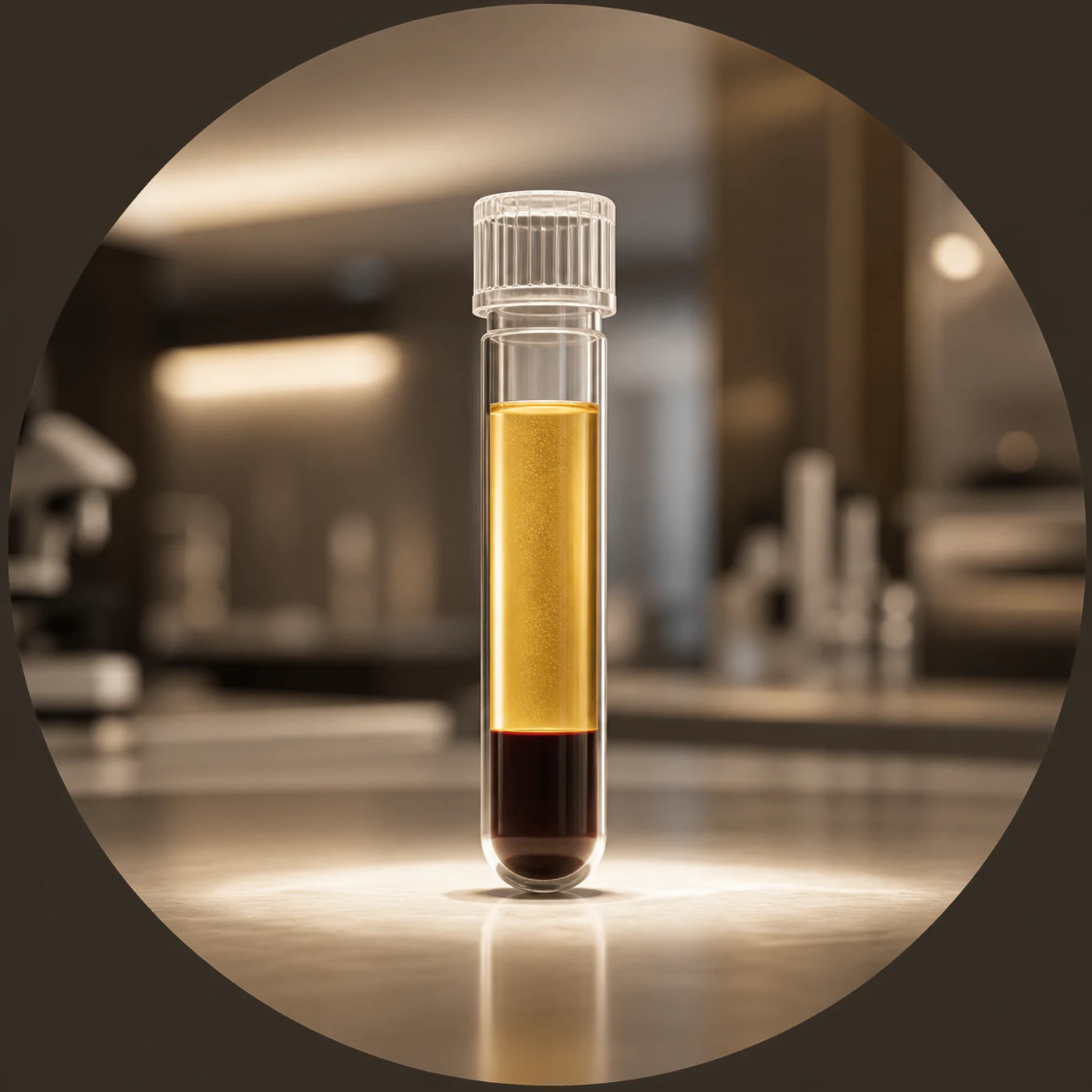
PRP is sometimes incorrectly called “blood stem-cell therapy,” but that term is inaccurate.What is prepared from blood is not stem cells, but platelet-rich plasma, or PRP.
PRP is Platelet-Rich Plasma.
A small amount of the patient’s own blood is centrifuged to separate it from red blood cells and other components, preparing a plasma layer relatively rich in platelets. This differs from procedures that collect or culture stem cells.
WHAT IS INSIDE
What does PRP
contain?
PRP is not a single, fixed drug. Depending on the kit and centrifugation method, platelet concentration and the degree of inclusion of white blood cells and red blood cells may vary.
- 01
Plasma
The liquid component of blood that contains platelets and several plasma proteins.
- 02
platelet concentrate
It delivers various signals necessary for not only hemostasis but also the recovery process of our body.
- 03
Growth factors and signaling substances
When platelets are activated, signaling substances such as PDGF, TGF-β, and VEGF are released.
AREAS TO CONSIDER
For which areas could it
be considered?
Applicability is determined after checking the diagnosis, treatment area, overall health status, and scope of related permits and systems.
joints/tendons
First, check the diagnosis, degree of damage, approval scope and clinical evidence of the related product.
Scalp/Hair
Check the type of hair loss, response to existing treatment, and criteria for the product and procedure to be applied.
Skin · scars
Check the skin condition, purpose of treatment, and scope of approval/reporting of related products.
Wound/surgery assistance
First, we check treatment, infection, wound condition, and medical necessity.
A product’s approval or notification does not establish efficacy for every condition. Expected outcomes and methods may vary with the patient’s condition, treatment area, PRP composition, and applicable criteria.
WHY OSANG CELLVIAN
OSANG’s guidance begins
with clear review criteria.
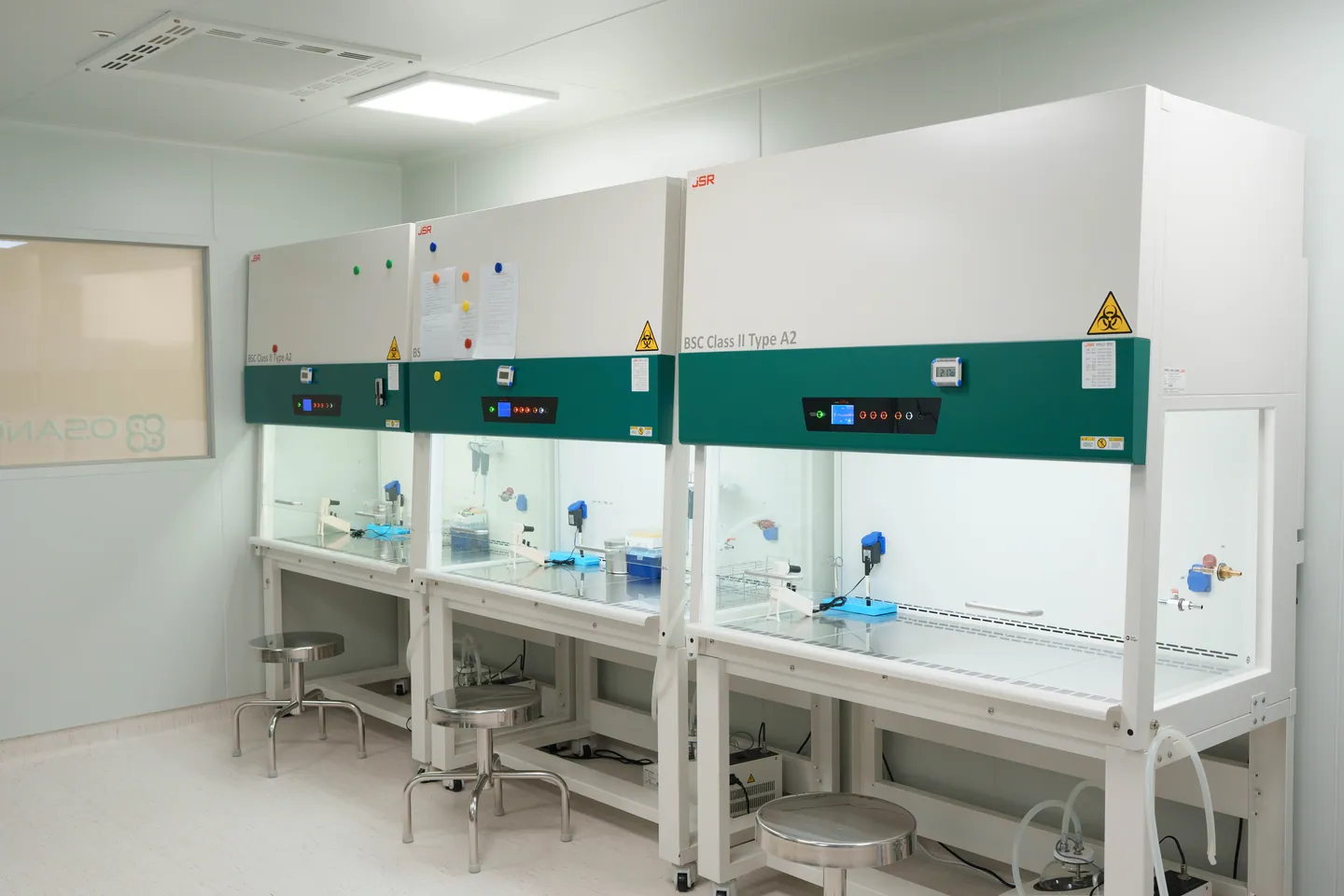
We distinguish between starting ingredients and preparation concepts, and check the scope of approval/reporting and medical necessity for each product before considering application.
- 01
Transparently explains program structure
We clearly distinguish the source materials and preparation concepts of PRP, B, S, and E.
- 02
We review both the preparation process and the relevant criteria
We review the separation and concentration process, each product’s approved or notified scope, and the manufacturer’s instructions in sequence.
- 03
We present export information clearly by country
Cellvian PRP export information for Japan and the United States is presented separately by country.
CELLVIAN PROCESS
From preparation to the treatment plan,
reviewed in four steps.
Although PRP, B, S, and E differ in detail, they share the same basic review and preparation flow.
BBone marrowAutologous bone marrow
SAdipose tissueAutologous adipose tissue
ECell-derivedMicroscopic signaling carriers
- 01
Consultation and eligibility review
Current symptoms, medications, and previous treatment are reviewed first to determine whether the program can be considered.
- 02
Review source materials and components
For PRP, B, and S, the required autologous materials are collected according to plan; for E, the source cells and manufacturing and quality information are reviewed.
- 03
Separation, concentration, and purification
The required components are prepared according to each program’s defined process, with the applicable criteria reviewed at the same time.
- 04
Treatment planning and follow-up
A plan is made from the clinical assessment. If a procedure is performed, changes in symptoms and function are monitored afterward.
CELLVIAN B · S · E
Cellvian B, S, and E,
Features of each program
We review the source material, preparation process, and application criteria for each program.
BONE MARROW ORIGIN
Cellvian B
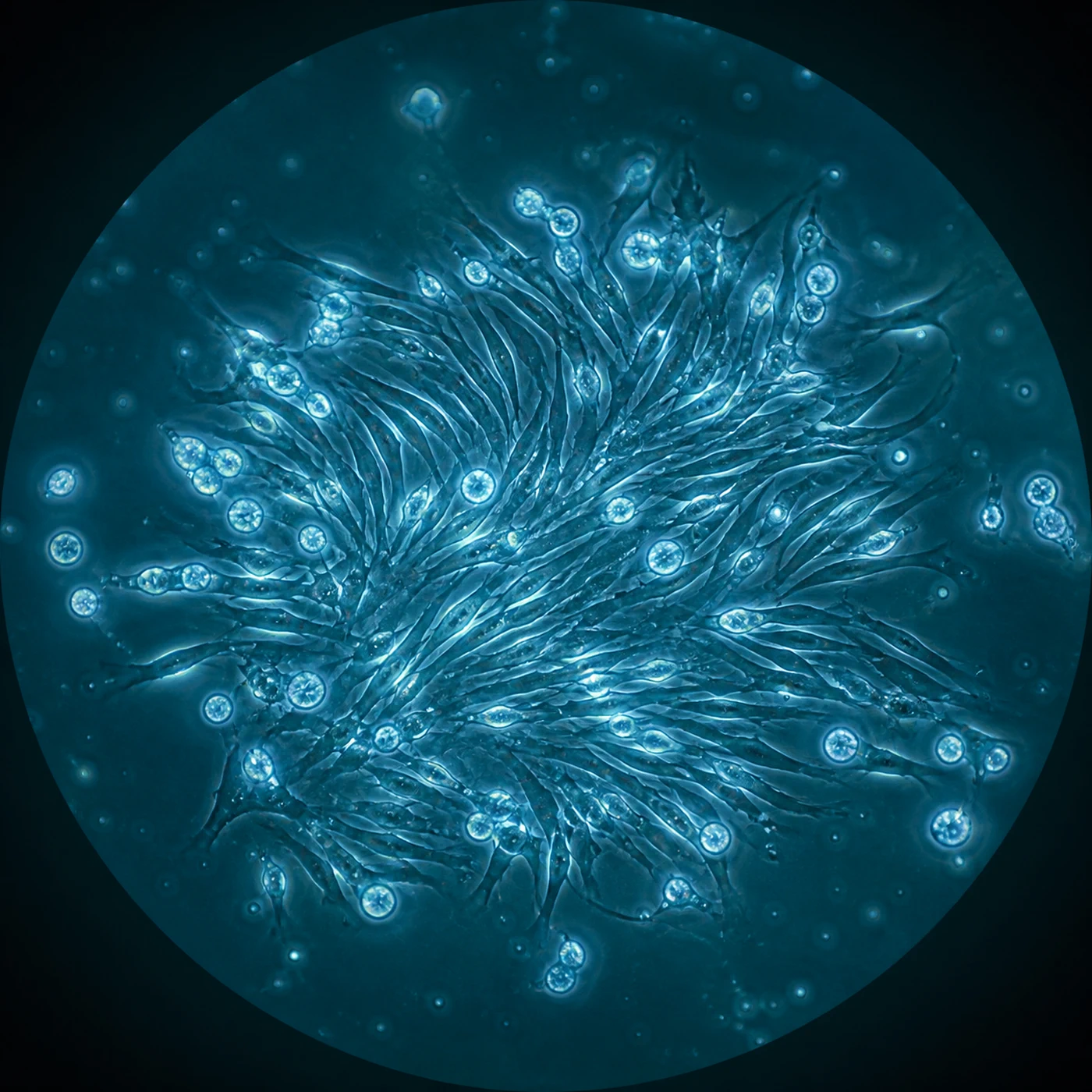
Using your own bone marrow aspirate
Autologous program
Cellvian B is a program that separates and concentrates the required autologous components from the patient’s own bone marrow aspirate. The collection method and eligibility are determined after clinical assessment.
- starting point
- Your own bone marrow
- Preparation method
- Separate and concentrate the necessary layers from the collected bone marrow fluid
- Confirmation criteria
- Check target area, health status, and related standards together
ADIPOSE TISSUE ORIGIN
Cellvian S
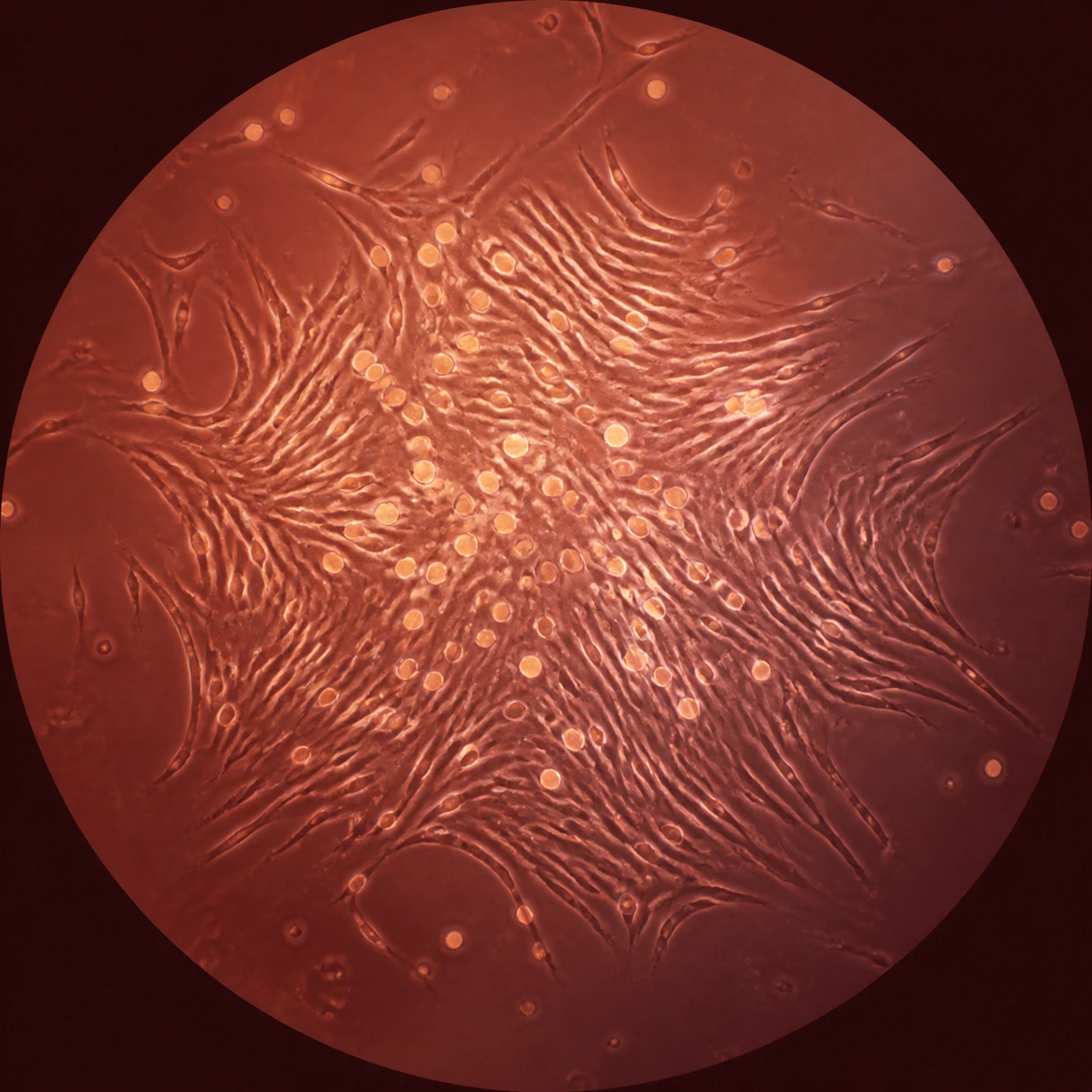
Using your own adipose tissue
Autologous program
Cellvian S is a program that processes the patient’s own adipose tissue according to a defined procedure and separates the required autologous components. The collection method and eligibility are determined after clinical assessment.
- starting point
- Your own adipose tissue
- Preparation method
- Processes fatty tissue to separate necessary autologous components
- Confirmation criteria
- Check target area, health status, and related standards together
CELL-DERIVED SIGNALING CARRIERS
Cellvian E
Supporting signaling between cells
microscopic carrier program
Microscopic membrane-bound carriers released by cells can carry proteins, lipids, nucleic acids, and other information involved in signaling between cells. Cellvian E reviews the source-cell type, manufacturing, separation and purification methods, quality standards, and suitability after clinical assessment.
- starting point
- Microscopic membrane-bound carriers released by cells
- Preparation method
- Review source cells and manufacturing, separation, purification, and storage standards
- Confirmation criteria
- Review product-specific quality data, approved scope, and health status
A program name alone does not establish its composition, quality, or outcome. Autologous materials for B and S and the source and manufacturing standards for E are reviewed separately, together with the diagnosis, applicable rules and approved scope, and the patient’s health before suitability is determined.
CELLVIAN PRP · GLOBAL
Cellvian PRP,
connects with Japan and the United States.
See the Cellvian PRP network connecting OSANG Neurosurgery in South Korea with Japan and the United States at a glance.

BEFORE TREATMENT
Each program has different criteria based on
The criteria to check are different.
- 01
Source material
We distinguish whether a program starts from blood, bone marrow, adipose tissue, or cell-derived carriers.
- 02
How to prepare
We review separation, concentration, and purification methods together with product-specific manufacturing and quality standards.
- 03
Eligibility criteria
We also check the diagnosis, health status, and scope of related permits and notices.
- 04
Check progress
Outcomes are not predetermined; changes in symptoms and function are monitored over time.
CONSULTATION