OSANG SPECIALTY CENTER

Autonomic Clinic

SYMPTOMS

Dysautonomia, even after testing, they said there was “nothing wrong”
Why do I keep feeling uncomfortable?

dysautonomiais a state in which the balance of the autonomic nervous system, which regulates heartbeat, breathing, digestion, and body temperature, is disrupted. If palpitations, dizziness, anxiety, insomnia, and chronic fatigue recur for no reason, check the balance of your autonomic nervous system first.

  • Palpitations/palpitations

    My heart is pounding even when I am at rest.

  • Dizziness and orthostasis

    I often feel like I'm spinning when I stand up.

  • chronic fatigue

    Even when I sleep, I don't feel refreshed.

  • sleep disorder

    I have trouble falling asleep or I wake up often.

  • Headache/Migraine

    I have recurring headaches with no known cause.

  • Anxiety/panic

    I feel anxious and frustrated for no reason.

  • Numb or cold hands and feet

    I have symptoms of cold and numb hands and feet.

  • indigestion

    I feel bloated and uncomfortable after eating.

  • brain fog

    I feel dizzy and can't concentrate.

  • Chest tightness/breathing

    I feel short of breath and have difficulty taking deep breaths.

AUTONOMIC NERVOUS SYSTEM

body speed and recoveryautonomic nervous system that regulates

The autonomic nervous system regulates functions without you being conscious of it, such as heart rate, breathing, digestion, body temperature, and sleep.It's not that one is better than the other, but the ability to switch between the two functions to suit the situation is important.

01

SYMPATHETIC

ACCELERATOR

ACTIVITY MODE

The sympathetic nervous systemwaking up ‘Accelerator pedal’

The moment when activity, concentration, and crisis response are needed,Get ready to move quickly by increasing your heart rate and breathing.

body reaction
Prepare by increasing your heart rate and breathing.
main status
Tension, alertness, concentration
When to operate
When you are active or need a quick response
when neededReady to move quickly
02

PARASYMPATHETIC

BRAKE

RECOVERY MODE

The parasympathetic nervous system speeds uplowering 'brake'

As soon as you can rest, slow down your body,Helps digestion, sleep, and energy recovery.

body reaction
Stabilizes heart rate and breathing.
main status
Digestion, sleep, recovery
When to operate
When you need to rest or regain energy
When you can restPrepare to recover calmly

SELF CHECK

30 second autonomic nerve self-check

Within the last 3 months, please check all of the following items that apply.

Autonomic nerve self-check items
selected item0/ 8

The items you check will be delivered together when you apply for consultation, so you can receive customized guidance right from the first call.

CAUSES

Dysautonomia is
Why does it happen?

It is rare for there to be only one cause, and it is often caused by multiple causes overlapping.
The more the factors below overlap, the more likely it is that your autonomic nervous system will be shaken.

  1. 01

    chronic stress

    Long-lasting stress overloads the sympathetic nervous system and reduces the recovery capacity of the parasympathetic nervous system.

  2. 02

    lack of sleep

    When you sleep, your parasympathetic nerves turn on and your body recovers. Lack of sleep can upset your autonomic balance.

  3. 03

    Posture abnormalities and cervical spine problems

    Spinal problems such as turtle neck and cervical deformity can irritate the autonomic nerve pathways that run along the cervical spine.

  4. 04

    hormonal changes

    Hormonal fluctuations such as menopause, menstrual cycle, and changes in thyroid function can also affect the autonomic nervous system.

  5. 05

    Post-traumatic nerve sensitization

    After a car accident, fall, or major psychological trauma, the autonomic nervous system becomes hypersensitive and symptoms may linger for a long time.

  6. 06

    Hyperventilation habits

    Shallow and rapid breathing without realizing it can cause dizziness, numbness, and anxiety to worsen.

CONCEPT GRAPHConceptual diagram for explanation only · Not actual test results.

When multiple factors overlap
Acceleration stays on longer, and recovery transitions can be delayed.

sympathetic nerveaccelerator pedal

Tension/arousal mode lasts for a long time

Parasympathetic nervous systembrake

Delayed transition to rest/recovery mode

Heart poundingdizzysleeplessChronic fatigueindigestionUnexplained anxiety
There is not a single cause, but multiple burdensome factors can overlap and shake up the regulatory rhythm of the entire body.

PATIENT STORIES

Written by our patients
Stories of recovery at OSANG

We share handwritten reviews from people who came with the same symptoms with their consent. Effects and recovery period may vary from person to person.

Some handwritten reviews from patients with autonomic symptomsLog in to view the rest of the original review.
01

“I was able to return to my daily life with consistent management.”

Main symptoms: autonomic symptoms
Management period: About 12 weeks

Some handwritten reviews from patients with palpitations and anxietyLog in to view the rest of the original review.
02

“My heart palpitations and anxiety have decreased, making it easier to go out.”

Main symptoms: Palpitations · Anxiety
Management period: About 10 weeks

Some handwritten reviews from patients with insomnia and palpitationsLog in to view the rest of the original review.
03

“The nights when I was anxious even when I was sleeping have calmed down little by little.”

Main symptoms: Insomnia · Palpitations
Management period: About 8 weeks

Some handwritten reviews from patients with dizziness and anxietyLog in to view the rest of the original review.
04

“I was relieved to see that both my dizziness and anxiety were taken care of.”

Main symptoms: Dizziness · Anxiety
Management period: About 14 weeks

Some handwritten reviews from patients with palpitations, insomnia, and indigestionLog in to view the rest of the original review.
05

“I received step-by-step management of chest tightness and digestive discomfort.”

Main symptoms: Palpitations, insomnia, indigestion
Management period: About 10 weeks

DIAGNOSIS

How is it diagnosed?

Autonomic abnormalities are not easily revealed through general tests alone.
Osang Neurosurgery operates six tests that measure quantitatively.

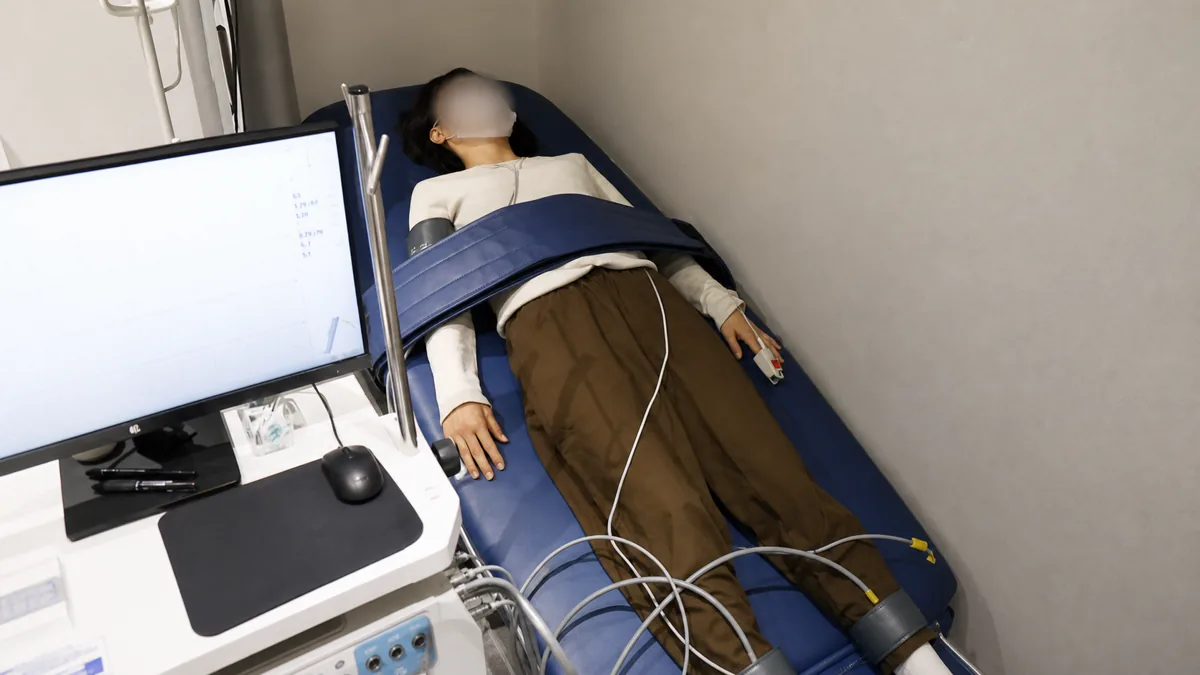
Osang Neurosurgery Standing Incline Table Examination Scene01

Autonomic Nervous System Tests

Standing incline table examination

Tilt Table TestTilt the table up to 70 degrees to monitor changes in blood pressure and heart rate in real time according to changes in posture. Objectively differentiate between orthostatic hypotension, POTS, and vasovagal syncope.Approximately 30 to 45 minutes
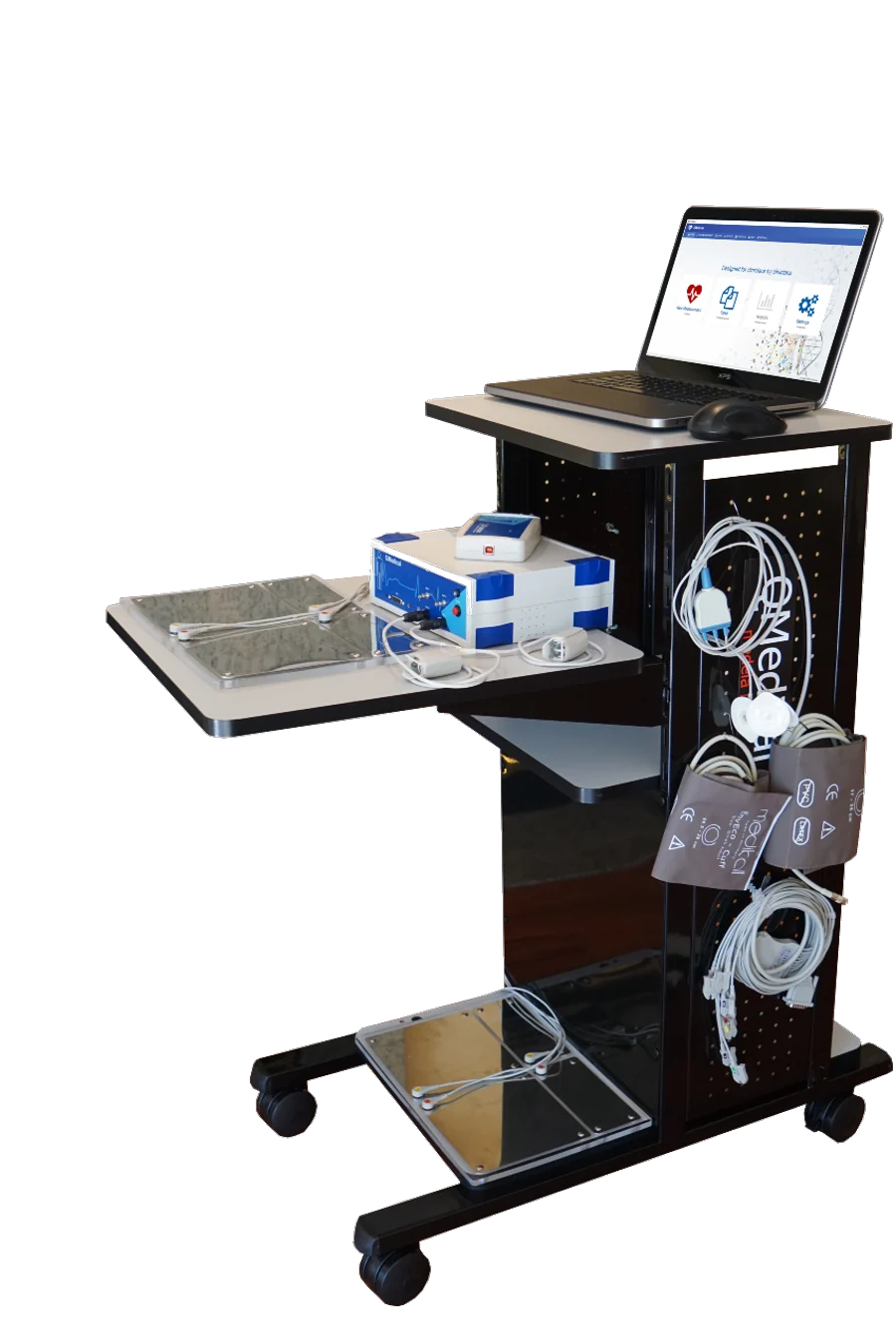
Valsalva maneuver equipment for testing abnormalities in the autonomic nervous system02

Autonomic Nervous System Tests

Autonomic nervous system abnormality test

Valsalva Maneuver Test · Valsalva maneuverWhile exhaling at a constant pressure, changes in blood pressure and heart rate are analyzed in four stages. Quantifies the degree of autonomic nerve damage through integrated evaluation of sympathetic and parasympathetic reflex pathways.Approximately 10 to 15 minutes
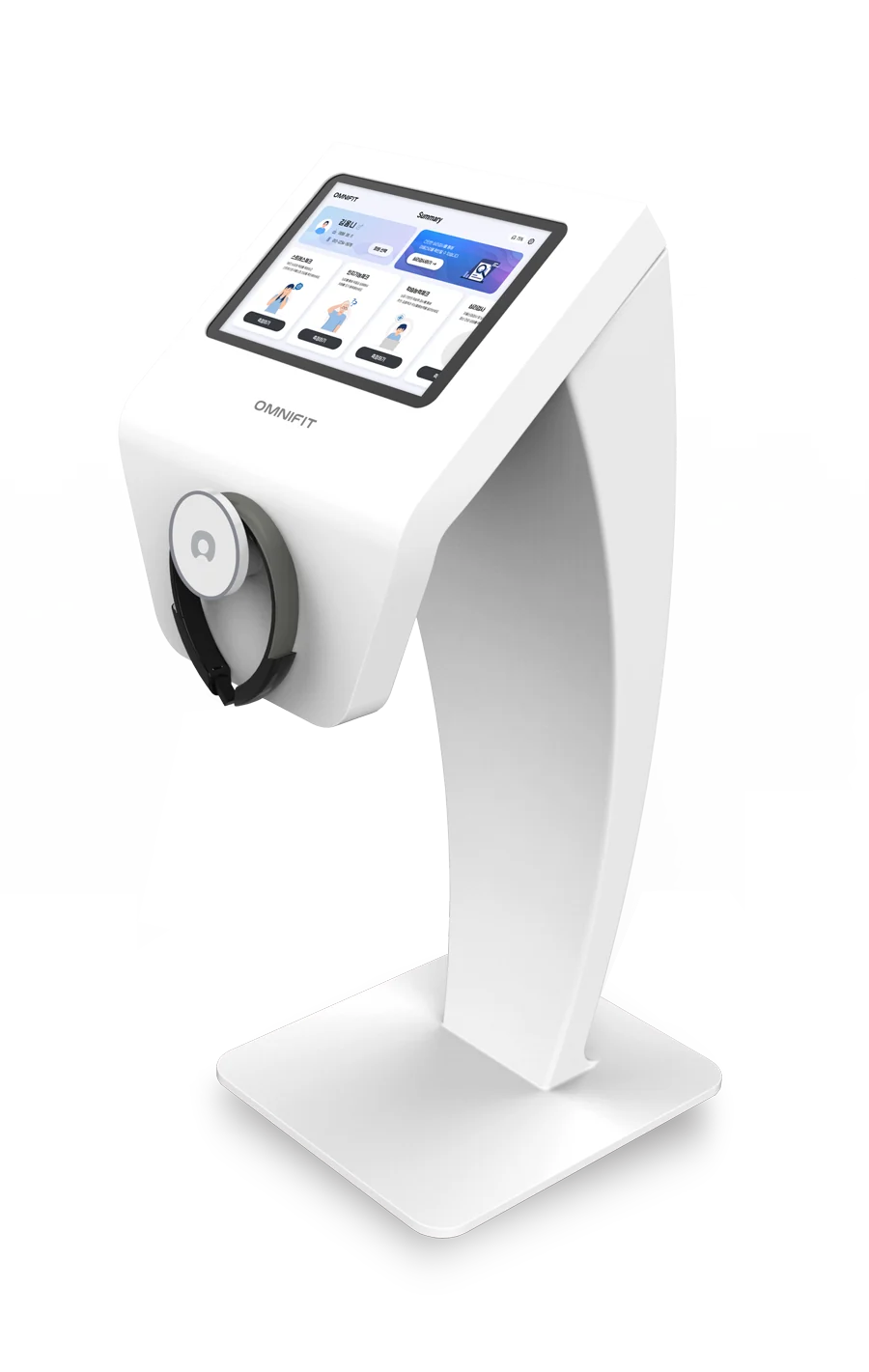
Heart rate variability HRV test equipment03

Autonomic Nervous System Tests

HRV heart rate variability

Heart Rate Variability — RestingIn a resting state, minute fluctuations in heart rate intervals are analyzed to quantify the sympathetic/parasympathetic activity ratio (LF/HF). It is used to track stress index, autonomic nervous system balance, and progress before and after treatment.About 5-10 minutes
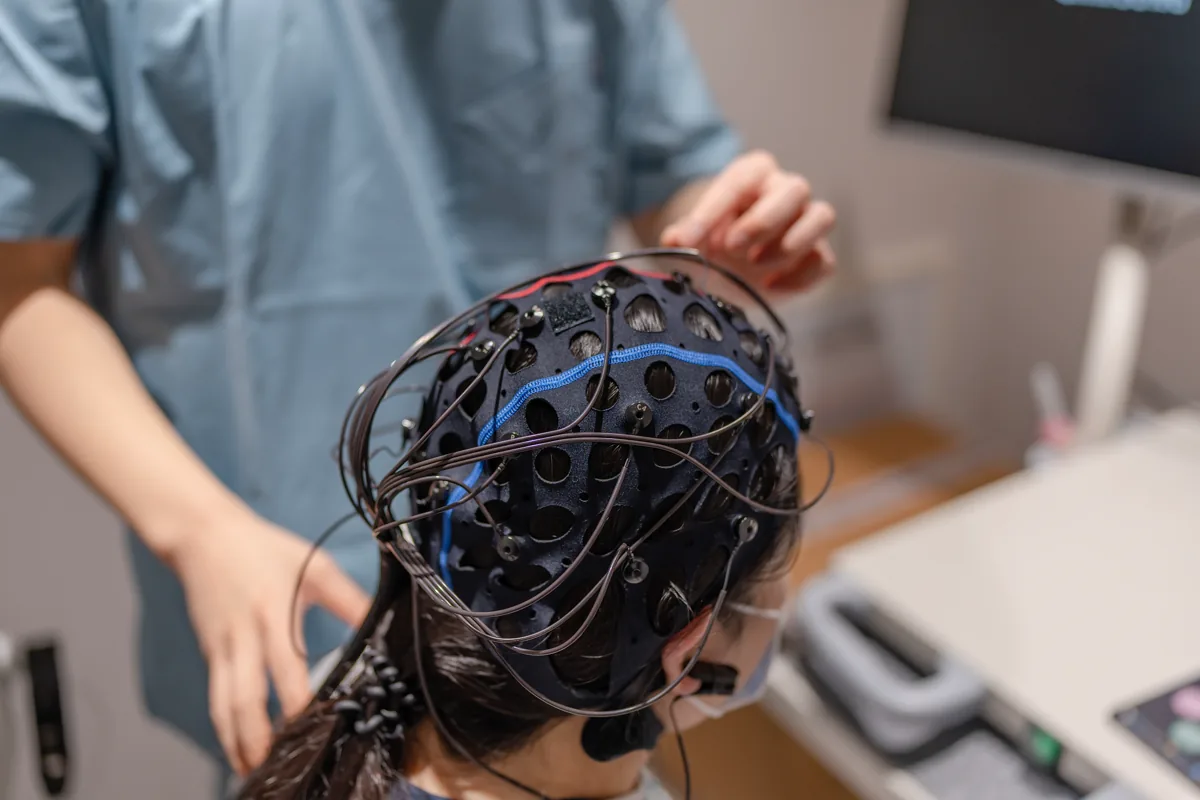
Osang Neurosurgery EEG test scene04

brain function test

EEG electroencephalography

ElectroencephalogramBrain electrical activity is recorded using scalp electrodes to evaluate the distribution of alpha, beta, and theta waves. It provides objective evidence for hyperarousal, anxiety, insomnia, and difficulty concentrating and serves as the basis for TMS treatment plans.About 20-30 minutes
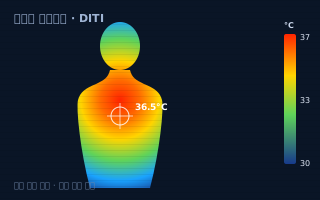
Infrared thermography Human body surface temperature distribution diagnosis Thermal imaging05

body temperature analysis

DITI (Digital Infrared Thermal Imaging)

Digital Infrared Thermal ImagingBy imaging the distribution of infrared rays on the body surface, we visually check the state of peripheral blood flow controlled by the autonomic nervous system. The area of nerve damage is estimated based on left/right asymmetry or abnormal patterns.Approximately 10 minutes, non-contact
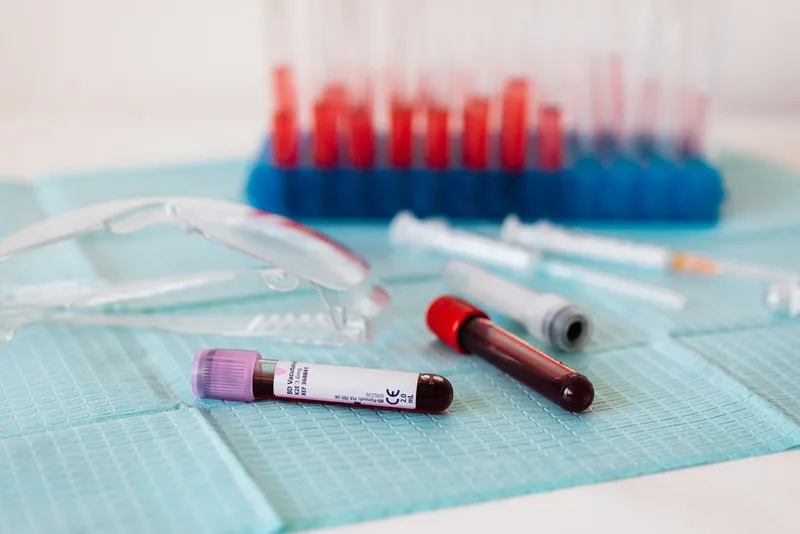
Blood test blood collection specimen blood tube example image06

blood analysis

Blood Test Panel

Blood Test PanelIt allows us to focus on autonomic nerve abnormalities by distinguishing between other causative diseases that cause similar symptoms, such as thyroid function, blood sugar, electrolytes, anemia, and vitamin D and B12 deficiency.Blood collection approximately 5 minutes

Test items may only be partially selected depending on symptoms and medical history. After consultation with a specialist, the tests required for the patient will be determined, and the cost for each item will be announced during the consultation.

TREATMENT

Dysautonomia treatment,
How do I access this?

Rather than determining dysautonomia in one way,
An approach is needed to identify both structural causes and functional imbalances.

OSANG Neurosurgery Neurosurgeons, neurologists, and anesthesiology and pain medicine specialists provide care togetherI do. Structural causes, such as the cervical and thoracic spine, and functional causes, such as autonomic nervous imbalance, are both examined, and treatment direction is determined based on the test results.

01

Neural Reset Protocol

This is a treatment protocol aimed at stabilizing the overly elevated sympathetic nervous system and restoring the function of the parasympathetic nervous system (vagus nerve).

Learn more
02

NPT Program

This is Osang Neurosurgery’s non-surgical physical therapy program that directly stimulates the autonomic and peripheral nerve pathways.

Learn more
03

Injection and drug combination

Depending on the symptoms and test results, if necessary, medication or injection treatment is provided to help control symptoms.

04

Lifestyle adjustments

It also checks daily factors such as sleep, breathing, exercise, and posture. Response to treatment is greatly influenced by lifestyle patterns.

BEST DOCTORS

autonomic and regenerative medicine
medical cooperation system

Since 2015, Osang Neurosurgery Clinic has provided the best service to patients based on data from approximately 50,000 autonomic nerve & regenerative medicine clinical and treatment cases. We will be a strong support for you to return to your precious daily life.

Neurosurgeon Mincheol Oh, Medical Director
Mincheol OhMedical Director · Neurosurgeon
Neurologist Dr. Seonggyu Hong
Seonggyu HongDirector · Neurologist
Jeonghyeon Choi, Anesthesiologist and Pain Medicine Specialist
Jeonghyeon ChoiDirector · Anesthesiologist · Pain Medicine Specialist
2015Opened
16+ yearsClinical experience
About 50,000 casesCumulative treatments

The duration of treatment depends on the type of symptom, degree of chronicity, and cause. We check the progress through accurate diagnosis, systematic treatment, and improvement of lifestyle habits.

VISIT

So that you can visit comfortably
I'll guide you.

Address
Osang Neurosurgery, 656 Nonhyeon-ro, Gangnam-gu, Seoul
Office Hours
Weekdays 09:30 - 18:00
Saturday 09:00 - 13:00
Closed on Sundays and public holidays
subway
3-minute walk from Exit 3 of Hakdong Station, Line 7
parking
Parking and valet available in the building
OSANG Neurosurgery

656 Nonhyeon-ro, Gangnam-gu, Seoul

View on Naver Map

CONSULTATION

quick consultation
If you want?

Please briefly write down your mobile phone number and symptoms.
A consultation coordinator will contact you.

The results you check will be sent along with your consultation application.

FAQ

Dysautonomia,
Frequently Asked Questions

Q1What is dysautonomia?

Dysautonomia is a condition in which the autonomic nervous system, which is responsible for the body's automatic functions such as heartbeat, breathing, digestion, and temperature regulation, malfunctions. As the balance between the sympathetic and parasympathetic nervous systems is disrupted, unexplained palpitations, dizziness, anxiety, insomnia, and chronic fatigue may occur repeatedly.

Q2Are dysautonomia and panic disorder the same?

It's not the same. Panic disorder is a type of anxiety disorder characterized by acute attacks accompanied by extreme fear, and dysautonomia is a condition in which the overall balance of the autonomic nervous system is lost. However, differential diagnosis is important because autonomic imbalance can feel like panic symptoms.

Q3There are no abnormalities in the test, so why do these symptoms occur?

General blood tests, electrocardiograms, and endoscopy are tests that check for structural abnormalities in organs. Functional abnormalities of the autonomic nervous system may not be detected by these tests. An imbalance between the sympathetic and parasympathetic nerves can be confirmed through autonomic function tests such as HRV testing.

Q4Which department treats dysautonomia?

Dysautonomia can be treated in neurology, neurosurgery, and psychiatry. At Osang Neurosurgery, neurosurgeons and neurologists work together to examine structural causes such as the cervical and thoracic spine as well as autonomic nerve dysfunction.

Q5How is dysautonomia treated?

Dysautonomia treatment first identifies the cause of the symptoms and accompanying diseases, and then combines lifestyle adjustments such as sleep, hydration, and exercise, as well as necessary medications or non-surgical treatments, according to the patient's condition. The same treatment is not applied to all patients, and treatment plans vary depending on examination and test results.

Q6How long does treatment take?

It depends on the type of symptom, degree of chronicity, and cause. In general, observation and treatment over a certain period of time may be necessary, and responses are confirmed through accurate diagnosis, systematic treatment, and lifestyle improvement.

Q7Is health insurance applicable?

Basic tests and consultations required for diagnosis may be covered by health insurance. Some programs and test items may be non-covered, so detailed costs can be checked through the non-covered information page or through consultation.