Early treatment is most important
Available treatments vary depending on when symptoms began and your physical condition. Not all patients receive the same treatment.

OSANG SPECIALTY CENTER
Easily view external research papers
The papers published by the external research team have been organized in an easy-to-understand manner for patients and their guardians. We take a look at what's improving in research and what we still don't know. This is not the result of treatment at Osang Neurosurgery.
external thesis×Results commentary
Easily view cerebral infarction stem cell research papers
Some studies have reported improvements in the ability to move the body or live independently. However, the cells and methods used are different for each study, so the results cannot be viewed as the same treatment.
The information below provides a simple explanation of the external thesis. This does not mean that Osang Neurosurgery performs this treatment.
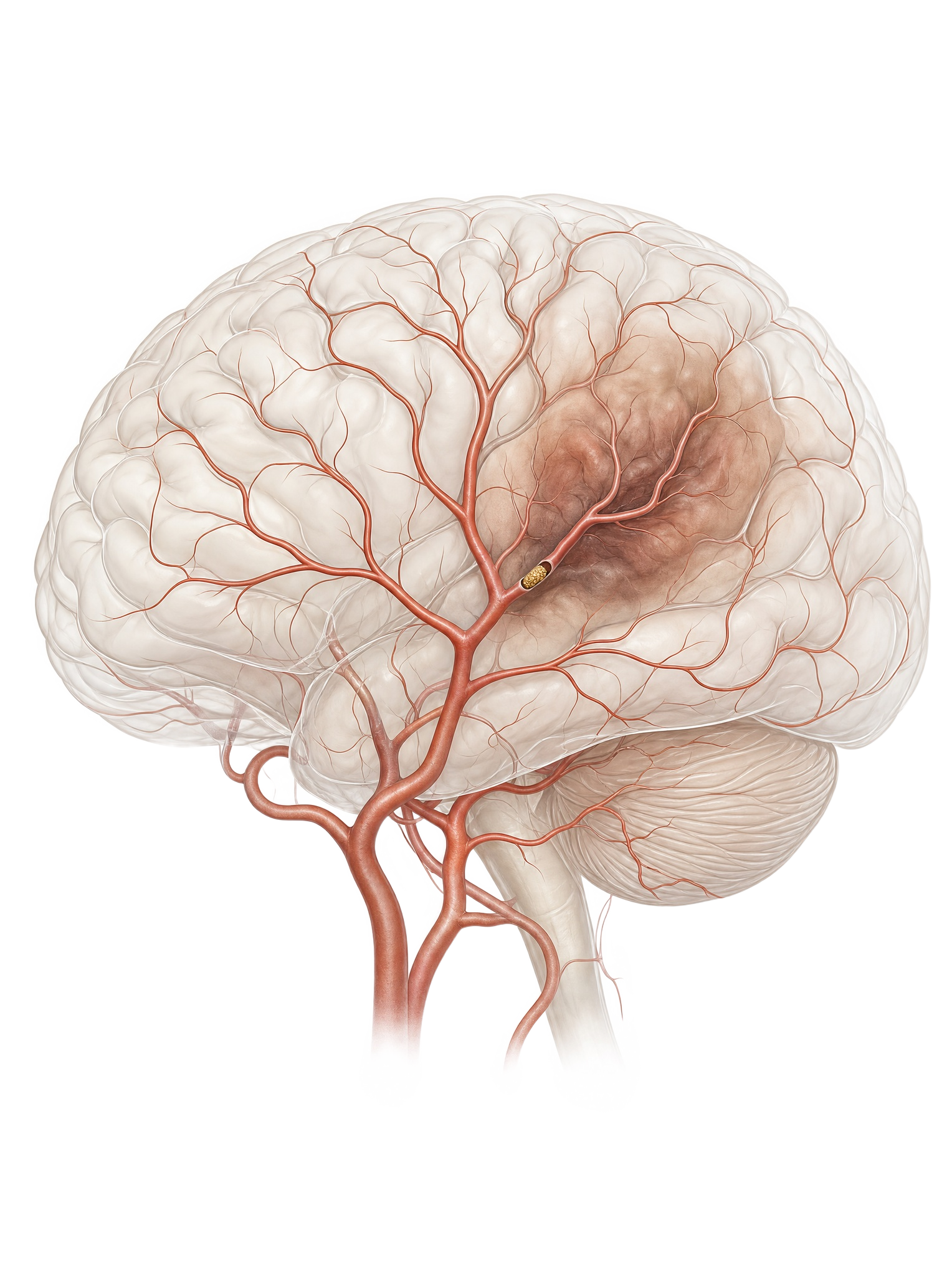
For cerebral infarction, rapid initial treatment, management to prevent recurrence, and rehabilitation are the basics. Stem cell research does not replace these treatments.
Available treatments vary depending on when symptoms began and your physical condition. Not all patients receive the same treatment.
Taking medication and managing blood pressure, blood sugar, and cholesterol can help lower the risk of recurrence. It is not a treatment that returns an already injured brain to its original state.
Practice walking, using your arms, speaking and swallowing. Because the parts of the brain that are injured are different, the speed of recovery also varies from person to person.
The cells used, when they were added, and how they were added vary from study to study. Even if all stem cell research is conducted, it is not the same treatment.
We can see how long after a cerebral infarction occurred and which cells were put where.
We check whether walking, using arms and living alone have improved and whether there are any side effects.
Distinguishing the impact of spontaneous recovery or rehabilitation requires comparison with a group that received no treatment.
13 studies · 872 people in total · 2025
Results were collected from 13 studies, a total of 872 people, who received cells within a month after cerebral infarction. Due to different study methods, these numbers may not apply equally to all patients.
In the group that received the cells, the rate of no significant disruption in daily life after one year was 23.1%, compared to 12.8% in the comparison group. However, there were cases where the difference was not clear when the calculation method was changed. This number cannot predict a person's recovery in advance.
It remains to be seen if larger studies produce the same results. The mere fact that a medical institution has been designated as a specific institution does not prove the effectiveness of treatment.
30 people studied · 2014
Thirty patients six months to five years after cerebral infarction were divided into two groups. Fifteen people had cells from their own blood injected into their brains, and 15 received only general rehabilitation.
The group that received cells had better scores for paralysis, speech, movement, and daily living than the group that only received rehabilitation. However, there were only 30 participants, and the comparison group did not undergo the same surgery. Therefore, it is difficult to conclude that it is only a cellular effect.
This study looked at only 30 people at one medical institution. This result alone cannot be considered a general treatment.
35 researchers · 2023
Thirty-five patients aged 14 to 28 days after cerebral infarction were divided into two groups. One group received study cells and the other group received a comparison injection without cells into a blood vessel in the arm. After that, we looked at it up to 52 weeks.
Some disability scores and arm movements improved. However, most importantly, there was no clear difference between the two groups in the percentage of people who were able to live alone after 12 weeks. A larger study is needed due to the small number of participants.
The two groups were not in the same condition at the start of the study. There was also one severe seizure that lasted a long time.