OSANG SPECIALTY CENTER

Stem Cell Clinic

Easily view external research papers

What has changed in Parkinson’s
disease stem cell research?

We have organized three papers published by an external research team in 2025 to make them easier for patients and guardians to understand. Let’s take a look at what has improved and what we still don’t know. This is not the result of treatment at Osang Neurosurgery.

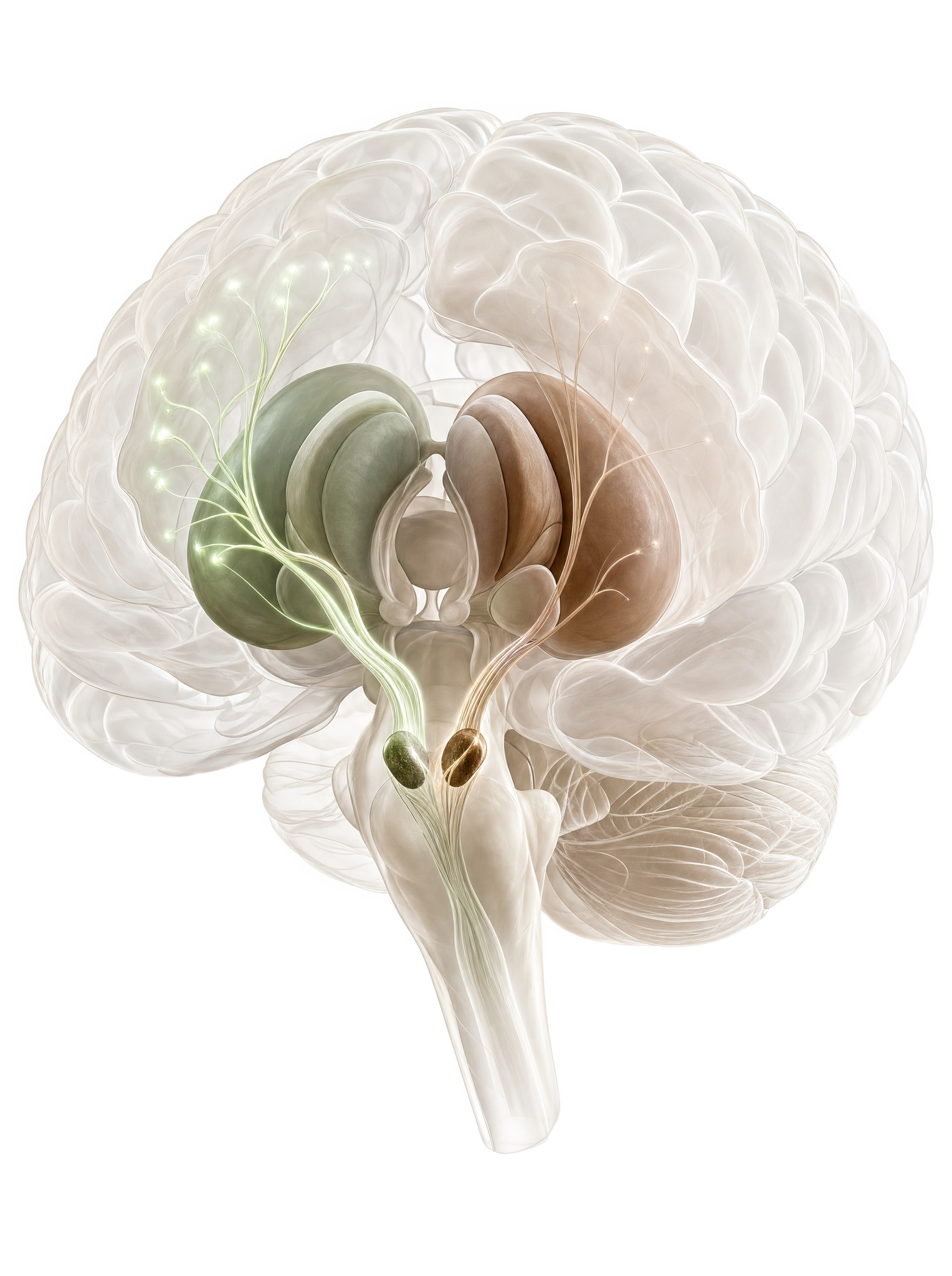
Parkinson's disease explanation image showing how dopamine regulates movement in the brain

external thesis×Results commentary

Easily view Parkinson's disease stem cell research papers

What has improved in Parkinson's
disease stem cell research?

Three studies reported improved movement after cells were placed in the brain. In some studies, it reduced the amount of time during the day when the drug was low in energy and discomfort. However, due to the small number of participants, we cannot say for sure that this is a cellular effect.

The information below provides a simple explanation of the external thesis. This does not mean that Osang Neurosurgery performs this treatment.

Parkinson's disease explanation image showing how dopamine regulates movement in the brain
Things to know first

The treatment you are receiving now is different from the treatment that is still being studied.

Medicines, rehabilitation, and surgery for some patients are currently used treatments. The method of inserting cells into the brain is being studied to confirm its effectiveness and safety.

01 · Medicine to take

Medicine helps ease movement

It is helpful for movement and daily life. However, it cannot revive lost nerve cells or stop the progression of the disease.

02 · Rehabilitation

Rehabilitation helps you use your body more safely

Practice walking, balance, speaking and swallowing. It is not a treatment that eliminates the cause of the disease.

03 · Surgery

Some patients also undergo surgery to reduce symptoms

Deep brain stimulation (DBS) is a treatment that controls symptoms by inserting thin electrodes into the brain. It is not a surgery that stops the progression of the disease or eliminates all symptoms.

How to view study results

This is a study that put cells that
produce dopamine into the brain.

Stem cells for research were grown into cells that produce dopamine and then placed into the brain. This is a different study than injecting cells into a vein.

01 · Safety

Were there any major problems after adding the cells?

It checks to make sure that tumors, bleeding and infections do not form and that the body does not reject the cells.

02 · Movement

Has your movement and discomfort time changed?

When the medicine runs out, see how uncomfortable it is to move and how long the discomfort lasts.

03 · How long does it last?

Did the changes last for a long time?

We need to look at more patients to see if the changes are long-lasting and helpful in real life.

What has been reported as improvement

Major changes in the paper

  • In the Cell study, movement discomfort scores were lowered by an average of 14.1 points after 12 months.
  • In the Nature study, the movement scores of the group that received large amounts of cells were 23 points lower after 18 months.
  • Another Nature study found that after 24 months, movement scores were lower and brain imaging showed increased dopamine-related signals.
Still more to learn

What we cannot know from this study alone

  • None of the three studies compared patients with patients who did not receive cells. Therefore, we cannot say for sure that it is a cellular effect.
  • A lower movement score does not mean that Parkinson's disease has cured or that its progression has stopped.
  • Since this is a surgery that involves inserting cells into the brain, side effects that may occur over time need to be further checked.

12 researchers · Cell 2025

After 12 months, movement
discomfort scores decreased.

Cells that produce dopamine were injected into both sides of the brain of 12 patients with Parkinson's disease. I also used medicine to prevent the body from attacking cells. We only compared the same patients before and after the study, not with patients who did not receive cells.

How many people participated?
12 people / small amount 6 people / large amount 6 people
What did you compare it to?
Comparison of before and after study of the same patient
How long have you been watching?
12 months
What did you do?
Cells are placed on both sides of the brain and used together with medicine to reduce rejection
Movement discomfort score when low on energyAverage 14.1 points lowerThe lower the score, the less uncomfortable the movement is.
A time during the day when you feel low on energy and feel unwell.Approximately 3.0–3.6 hours less on averageAverage change observed after 12 months
Dopamine-related signals seen in brain imaging+10.7%Middle value of large volume group +10.7% · small volume group +1.0%
research 01
If you solve it easily,

You can look at the result like this.

The movement discomfort score decreased, and the amount of time during the day when I felt uncomfortable decreased. Brain imaging showed increased dopamine-related signals. However, since we only looked at 12 patients and have no other patients to compare to, we cannot say for sure that it is an effect of the cells.

The movements when the medicine worked well and the amount of medicine taken did not change significantly. Now that we've combined brain surgery with drugs to reduce rejection, we need to watch more patients for longer.

12 researchers · Nature 2025

After 18 months, movement
discomfort scores decreased.

Dopamine cells made from stem cells were injected into both sides of the brain in 12 patients with Parkinson's disease. There was no comparison with patients who did not receive cells. I did not separately check whether there was a clear difference between a small amount and a large amount.

How many people participated?
12 people / small amount 5 people / large amount 7 people
What did you compare it to?
Compare only the amount of cells
How long have you been watching?
18 months
What kind of cell was it?
Dopamine cells for research made from embryonic stem cells
Movement discomfort score when low on energyLarge amount 23.0 points lower, small amount 8.6 points lowerIt was not separately confirmed whether there was a clear difference between the two groups.
Time of day to move comfortably2.7 hours for large amounts, 0.2 hours for small amountsAverage change after 18 months for both groups
A time during the day when you feel low on energy and feel unwell.2.7 hours for large amounts, 0.8 hours for small amountsAverage change after 18 months for both groups
research 02
If you solve it easily,

You can look at the result like this.

It was not confirmed whether there was a clear difference in the amount of cells between the two. Just looking at the numbers, the group that received a large amount of cells had a lower movement score and a longer comfortable movement time. There was no comparison with patients who did not receive cells.

Original sourceView the original text and research information
Tabar research team's original paperNature · 2025 · doi:10.1038/s41586-025-08845-y

There were only 12 participants. Since we haven't confirmed the difference between small and large amounts, we can't say that larger amounts are better.

7 researchers · Nature 2025

After 24 months, there were changes
in movement scores and brain imaging.

Dopamine cells made from stem cells were placed on both sides of the brain. Safety was confirmed in 7 patients, and movement changes were confirmed in 6 patients, and were observed up to 24 months.

How many people participated?
Safety 7 people, Movement evaluation 6 people
What did you compare it to?
Compare only the amount of cells
How long have you been watching?
24 months
What kind of cell was it?
Dopamine cells (iPSC) created by returning normal cells to a stem cell state
Movement discomfort score when low on energyAverage 9.5 points lowerMovement was lowered in 4 out of 6 people who assessed it.
Movement discomfort score when the medicine works wellAverage 4.3 points lowerMovement was lowered in 5 out of 6 people who assessed it.
Dopamine-related signals seen in brain imagingOverall average +44.7%Small amount +7.0% · Large amount +63.5%
research 03
If you solve it easily,

You can look at the result like this.

After 24 months, movement discomfort scores decreased, and dopamine-related signals increased in brain imaging. However, because only six people looked at the movement, it is impossible to say for sure that it was a cellular effect.

Original sourceView the original text and research information
Original text of Sawamoto research team paperNature · 2025 · doi:10.1038/s41586-025-08700-0

The amount of time spent comfortably moving, quality of life, and amount of medication taken did not significantly change. We need to further examine whether the cells are maintained for a long time and the side effects that occur late.