
Joints & Pain
Knee arthritis
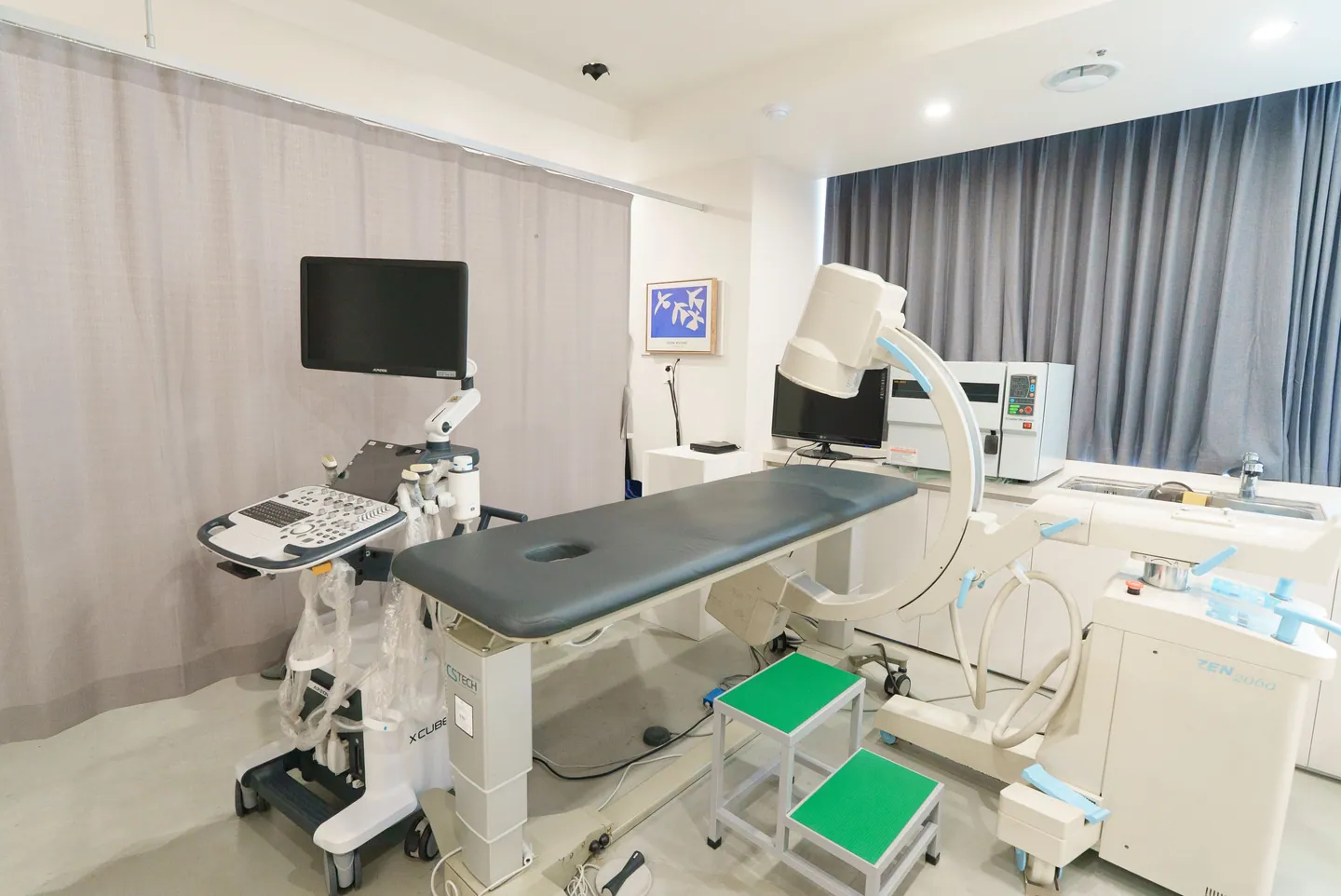
If your knee hurts, swells, or feels stiff when you go up or down stairs, it may be knee arthritis. OSANG Neurosurgery assesses the cause through examination and tests and provides non-surgical care such as regenerative injections, Cellbian PRP, nerve blocks, and manual therapy.
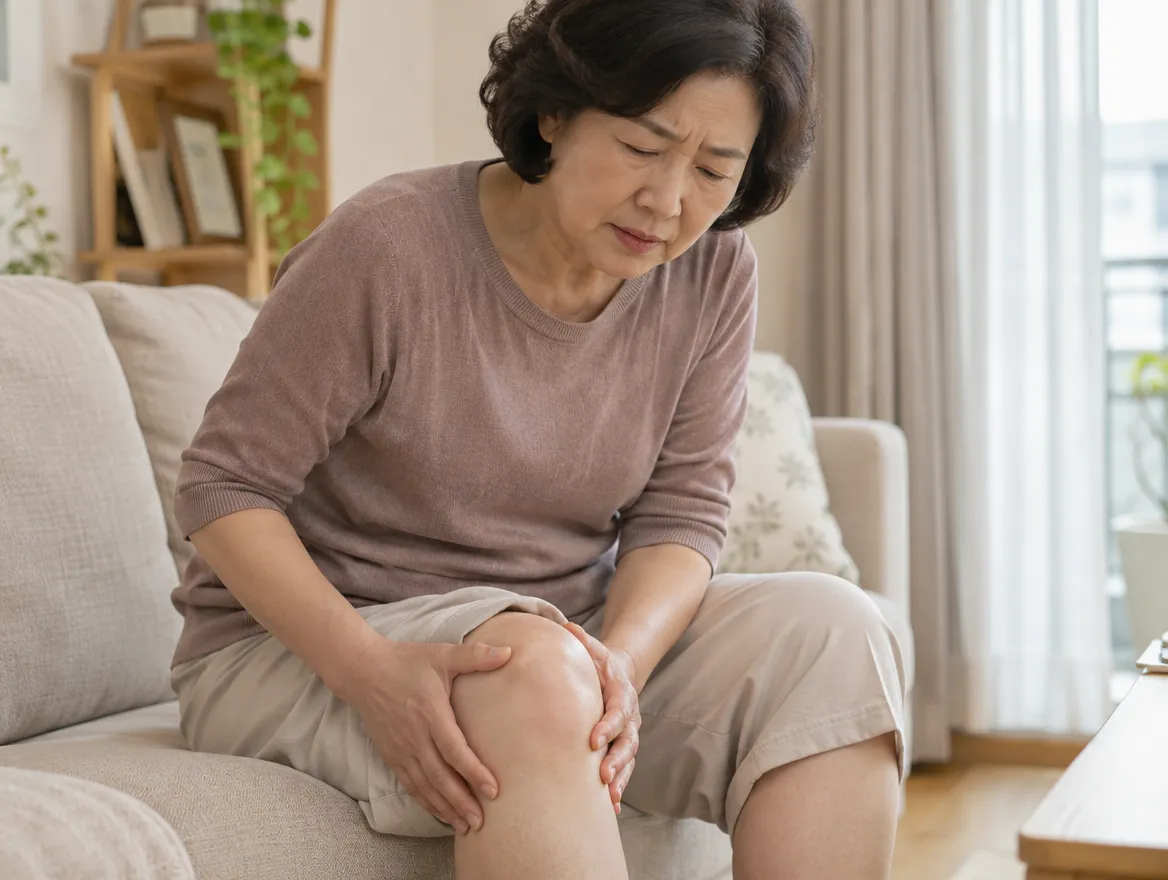
Do you have any of these symptoms?
- Your knee hurts, swells, or feels stiff on stairs
- My knee is stiff in the morning and loosens little by little as I move
- My knee aches when I squat or stand up from sitting
- After walking for a long time, my knee hurts and I need to rest
What Is Knee Arthritis?
Knee arthritis is a condition in which the cartilage covering the ends of the knee bones wears down and the lining of the joint becomes inflamed, causing pain, swelling, and stiffness. Because the knee bears body weight, age-related osteoarthritis is the most common type.
The amount of cartilage wear does not always match the amount of pain. For that reason we look at where it hurts, the swelling, and the range of motion together, not at imaging alone.
When do your symptoms occur?
Even similar pain can suggest different causes depending on when it worsens and which positions make it worse. Describing your symptoms as in the examples below helps us identify the cause.
- When going down stairs or standing up from a chair
The front or inner side of the knee aches, and the knee may make sounds when bending and straightening.
Possible causesKnee arthritis
- Immediately after waking up
The knee feels stiff and gradually loosens with movement. If stiffness lasts a long time or several joints swell together, inflammatory arthritis needs to be ruled out.
Possible causesOsteoarthritis; prolonged stiffness warrants assessment for inflammatory arthritis
- After walking or standing for a long time
The knee aches heavily and swells, then settles with rest.
Possible causesOsteoarthritis
- In the evening after heavy use
A knee used heavily all day swells and hurts more by evening.
Possible causesArthritis, or fluid building up in the joint
How Knee Pain Differs by Cause
Even the same knee pain has different causes depending on where it hurts and which movements make it worse. The final judgment is made through examination and tests.
Osteoarthritis
- Pain location
- Inner or front part of the knee
- Key features
- Swelling, stiffness, and sounds during movement
- When it worsens
- Stairs, prolonged walking, and squatting
Meniscus injury
- Pain location
- The joint line on the inner or outer side of the knee
- Key features
- A catching sensation, or the knee locking and not straightening
- When it worsens
- When twisting the knee or squatting
Pain at the front of the knee
- Pain location
- Around the kneecap
- Key features
- Stiffness when standing up after sitting for a long time
- When it worsens
- Going down stairs, sitting for a long time
Inflammatory arthritis
- Pain location
- Several joints together
- Key features
- Long-lasting morning stiffness, swelling, and warmth
- Distinguishing clue
- Distinguished with blood tests and other tests
Do not delay medical care for these symptoms
- The knee suddenly swells, turns red and hot, and you have a fever
- After a fall or a blow, you cannot move the knee or put weight on it
- The knee feels locked and will not straighten or bend
- Several joints swell at the same time, with prolonged morning stiffness
These symptoms may have causes that need prompt assessment, such as infection, a fracture, or inflammatory arthritis. Seek medical care without delay.
Why does it happen?
- 01
Age-related cartilage changes
As cartilage loses elasticity, it absorbs shock less well and wears more easily.
- 02
Body weight and repeated load
Weight gain, or repeated squatting and stair climbing, increases the load on the knee.
- 03
Previous injury
A past ligament or meniscus injury can make the joint unstable, and arthritis may develop earlier.
- 04
Weak thigh muscles
When the thigh muscles that support the knee weaken, the joint takes more impact.
Treatment at OSANG Neurosurgery
Along with treatment to reduce pain and inflammation, we plan treatment that supports recovery of the ligaments and tendons around the knee, and thigh-strengthening exercise. If joint deformity is severe and surgery appears necessary, we guide you to the appropriate care.
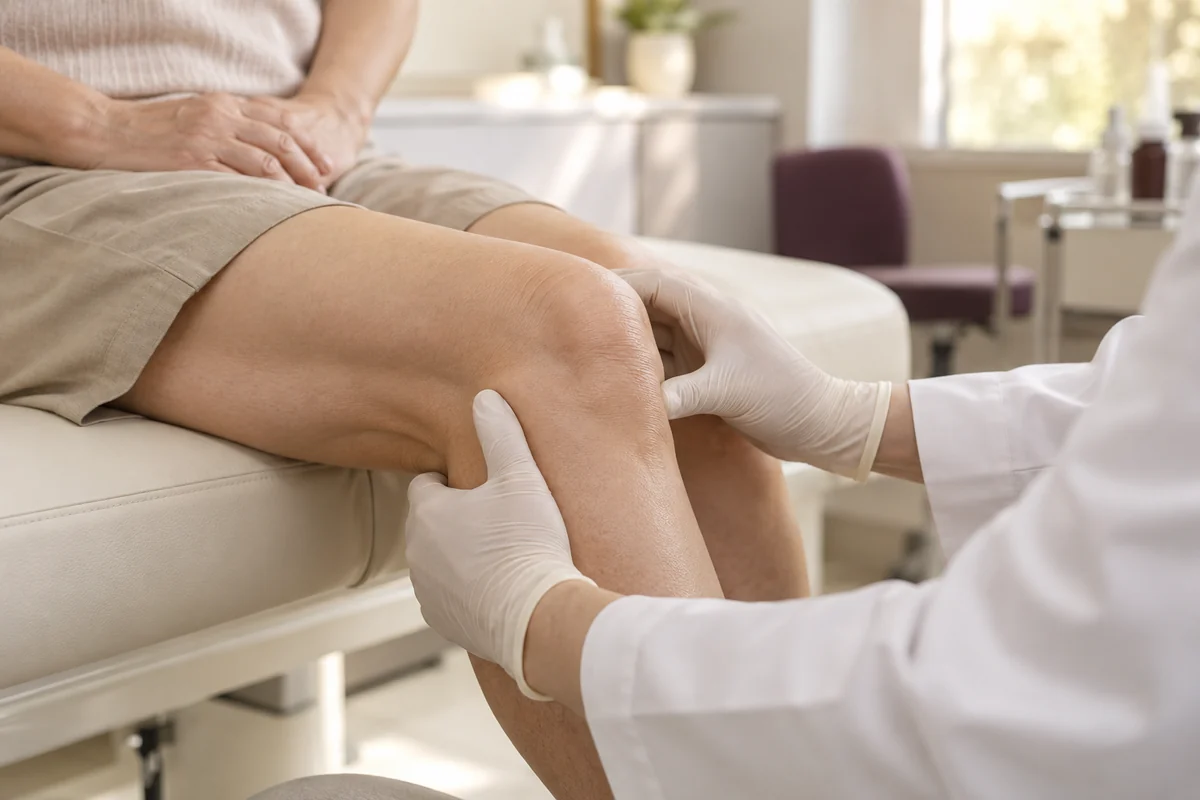 01Regenerative injections
Prolotherapy, PRP, and PDRN injections support the recovery of injured ligaments, tendons, joints, and cartilage.
May be considered when pain in the same area recurs or is slow to improve
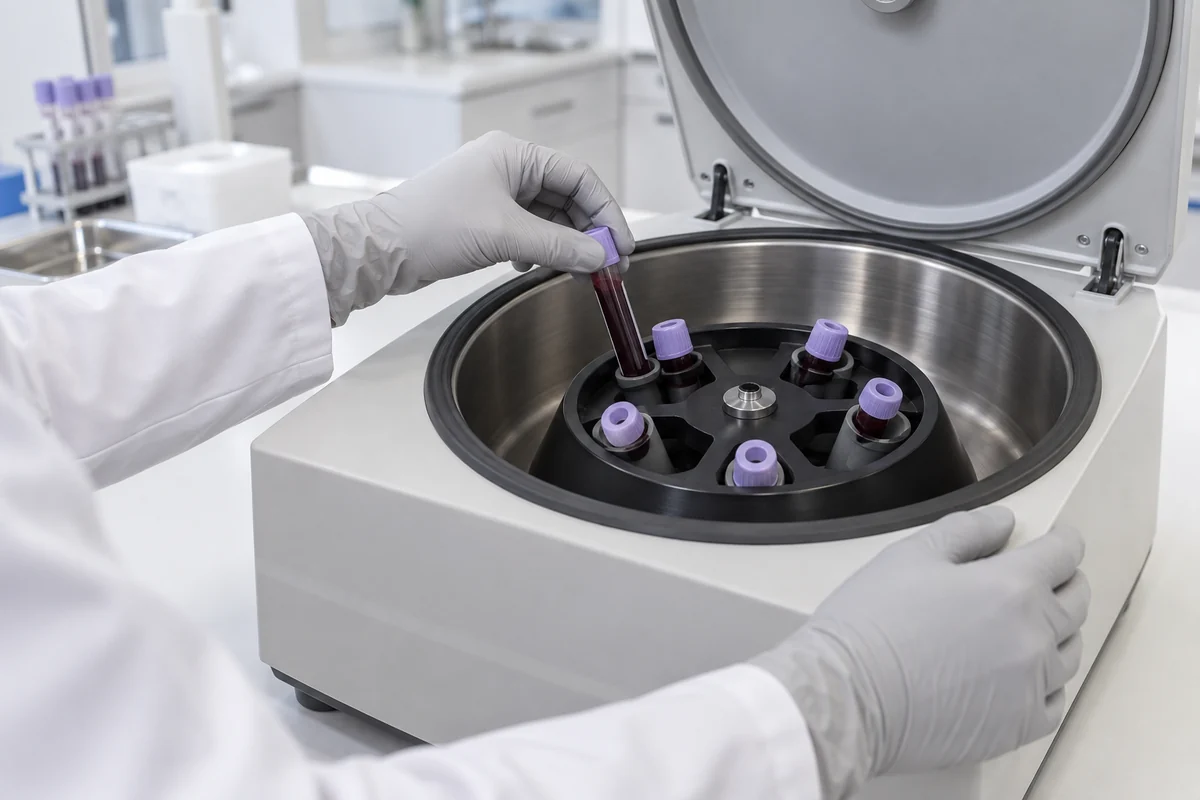 02Cellvian PRP
OSANG Neurosurgery's PRP program concentrates platelets from your own blood and delivers them to the injured area.
May be considered to support recovery from joint or tendon injury
03Nerve blocksUsing C-arm fluoroscopy to check the needle position, medication is delivered around the nerve causing pain to reduce pain signals and inflammation.
May be considered when severe tingling and radiating pain interfere with daily life
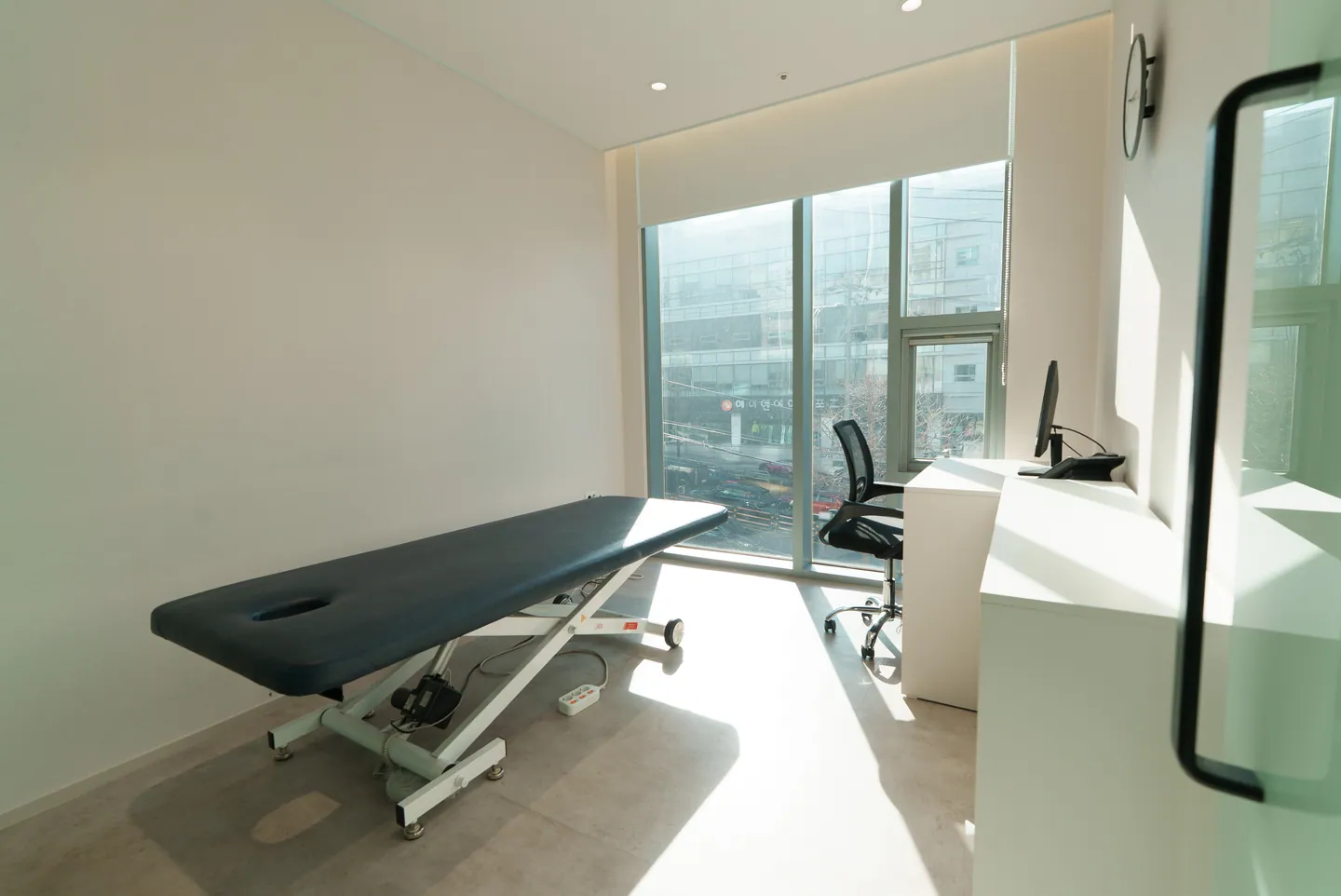 04Manual therapy
A therapist uses hands-on techniques to release tight muscles and joints while helping correct postural and movement habits contributing to pain.
May be considered when posture contributes to symptoms or muscles and joints are stiff
Treatment is selected based on examination and test results. Treatment responses and recovery times vary between individuals.
How care proceeds
- 01
Consultation and examination
We ask when and where the pain began and which positions aggravate it, then examine the painful area and neurological symptoms.
- 02
Tests
We check the knee's range of motion, swelling, and tender points, and if needed use imaging to look at the cartilage and joint.
- 03
personalized treatment
Depending on the cause and severity of pain, injections, procedures, and manual therapy are planned individually or in combination.
- 04
Follow-up
We reassess pain after treatment and provide guidance on posture and exercise to reduce recurrence.
Frequently Asked Questions
Does a noisy knee mean arthritis?
If there is only noise, with no pain or swelling, there is usually no need to worry. If the noise comes with pain, swelling, or a catching sensation, please have it examined.
Should I stop exercising if I have arthritis?
When pain is severe, reduce strain; once it settles, thigh-strengthening exercise and low-impact activity such as walking on level ground, swimming, or a stationary bike can help. It is better to cut back on squatting and repeated stair climbing.
How do regenerative injections differ from Cellvian PRP?
Regenerative injection treatment selects an injection such as prolotherapy, PRP, or PDRN to suit the injured area. Cellvian PRP is OSANG Neurosurgery's PRP program using concentrated platelets from your own blood. They may be planned individually or together according to the site and extent of injury.
Talk to us about your symptoms
Leave your name and phone number and our staff will call you back during clinic hours.