
Joints & Pain
Neck & Back Disc
Neck and back pain with tingling that radiates into the arms or legs often occurs when a disc or narrowing of the spinal canal presses on a nerve. OSANG Neurosurgery assesses the cause through examination and tests and provides non-surgical care such as nerve blocks, epidural interventions, and manual therapy.
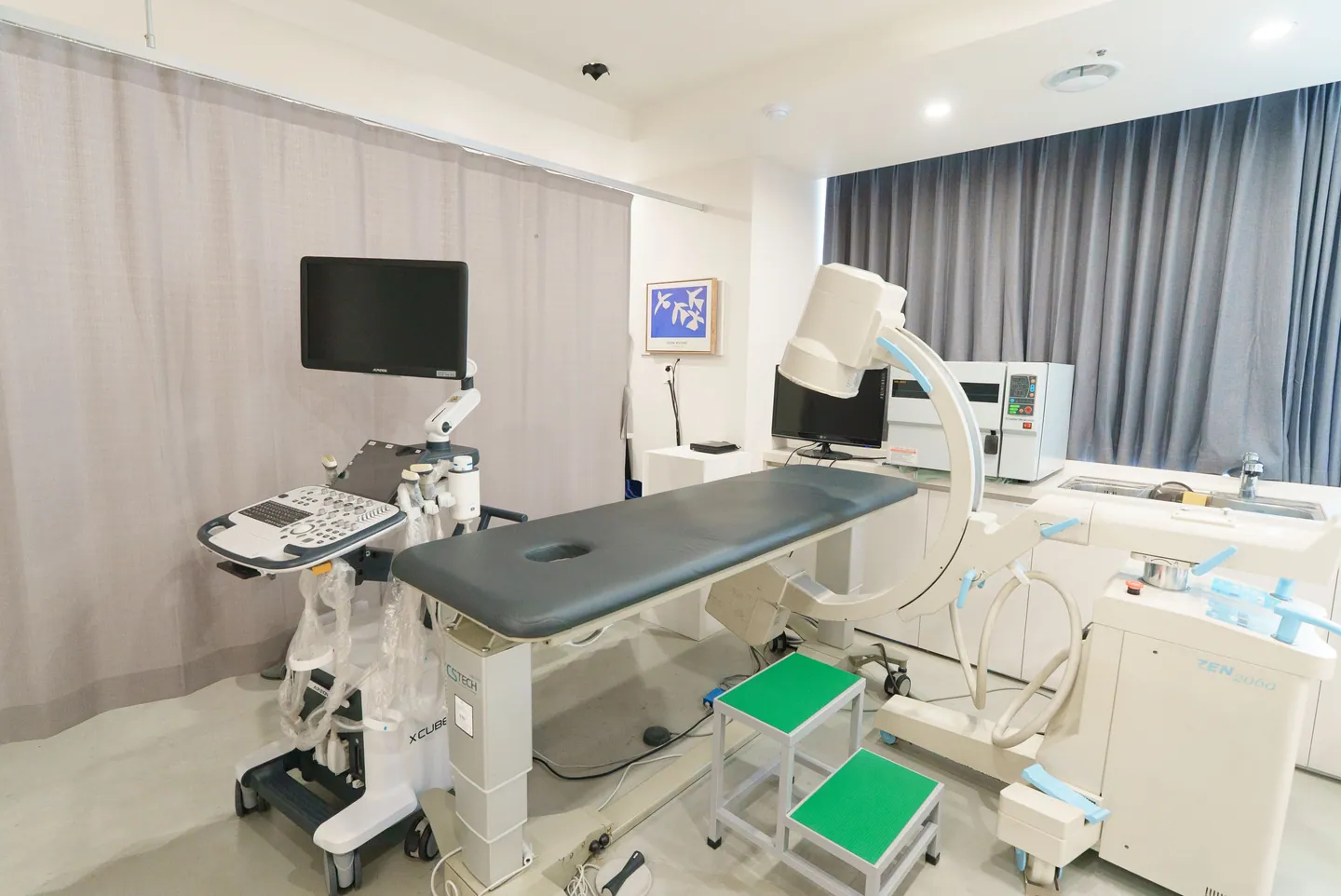
Do you have any of these symptoms?
- My neck or back hurts, and it gets worse when I sit for a long time or bend forward
- Pain or tingling radiates into an arm or leg
- Your fingers or toes feel less sensitive, or you feel a loss of strength
- Pain shoots through the area when you bend or extend your neck, cough, or sneeze

What Is a Neck or Back Disc Problem?
When an intervertebral disc, the cushion between the bones of the spine, bulges out and presses on a nearby nerve, pain and tingling can spread into the arm or leg that nerve serves. The formal name is disc herniation; in the neck it is called a cervical disc herniation, and in the lower back a lumbar disc herniation.
A cervical disc herniation typically causes pain in the neck, shoulder, and inner shoulder blade, with tingling that runs down the arm and fingers. A lumbar disc herniation commonly causes back and buttock pain with pain that radiates down one leg, through the back of the thigh, calf, and foot.
A protruding disc does not always cause symptoms, so we consider symptoms and a neurological examination together with imaging.
When do your symptoms occur?
Even similar pain can suggest different causes depending on when it worsens and which positions make it worse. Describing your symptoms as in the examples below helps us identify the cause.
- When you get up in the morning
Your lower back is stiff and hurts when you first start moving, then improves with some movement. If stiffness persists or pain continues even at rest, other causes should also be considered.
Possible causesMuscle or ligament tension, disc degeneration; persistent stiffness warrants assessment for inflammatory conditions
- When sitting for a long time
Lower back pain worsens the longer you sit, and you feel pulling in your buttock or the back of your thigh. It is difficult to straighten your back immediately after standing up.
Possible causesLumbar disc disorder
- When looking down at a screen
The back of your neck and shoulders ache, with pain along the inner shoulder blade or tingling extending into an arm or fingers.
Possible causesCervical disc disorder, forward-head posture
- When coughing, sneezing, or straining
Sharp pain shoots from your neck or lower back into an arm or leg.
Possible causesCommon when a disc presses on a nerve
- When walking
After walking a short distance, your buttocks and legs feel numb and heavy, making you stop to rest. Bending forward or sitting brings relief.
Possible causesSpinal stenosis
- When lying down at night
Pain does not ease when you change position, or it becomes worse at night and wakes you.
Possible causesA sign that other causes need to be assessed; we recommend an examination
How Conditions Similar to a Disc Problem Differ
The location of pain, where it radiates, and when it worsens can help indicate the source. The final assessment is made through examination and tests.
Cervical disc disorder
- Pain location
- Neck, shoulders, inner shoulder blade
- Where pain radiates
- Arms and fingers
- When it worsens
- When bending or extending the neck, or looking at a screen for a long time
- Associated symptoms
- Tingling in the hand or a feeling of weakness
Lumbar disc disorder
- Pain location
- Lower back and buttocks
- Where pain radiates
- Back of the thigh, calf, and foot
- When it worsens
- When sitting for a long time, bending forward, or coughing
- Associated symptoms
- Tingling in one leg, or pulling pain when raising the leg
Spinal stenosis
- Pain location
- Lower back and buttocks
- Where pain radiates
- Both legs
- When it worsens
- When standing or walking for a long time
- When it improves
- When bending forward or sitting down to rest
Lower back muscle or ligament injury
- Pain location
- One area of the lower back
- Where pain radiates
- Usually none
- When it worsens
- When moving in a particular direction
- Associated symptoms
- Muscle tightness and restricted movement
Do not delay medical care for these symptoms
- An arm or leg becomes weak, or your foot drags when walking
- You have difficulty passing urine or stool, or reduced sensation around the buttocks or groin
- Tingling or loss of sensation spreads rapidly
- Back pain occurs with fever or unexplained weight loss
- Pain began after a fall or impact
These symptoms may indicate nerve damage or another condition, so seek medical care promptly. Depending on the symptoms, emergency care may be necessary.
Why Do Disc Problems Develop?
- 01
Posture
Spending a long time looking down at a screen or sitting hunched over puts strain on the neck and back.
- 02
Age-related changes
As discs lose water and flexibility, they become more vulnerable to damage from even minor stress.
- 03
Strenuous movements
Repeated heavy lifting or twisting of the lower back can cause a disc to protrude.
Disc Care at OSANG Neurosurgery
Disc care is planned to first calm inflammation and pain around the compressed nerve, then correct the postures and movements that load the disc. If there are signs that call for a surgical evaluation, such as weakness or bladder or bowel problems, we guide you to the appropriate care.
01Nerve blocksUsing C-arm fluoroscopy to check the needle position, medication is delivered around the nerve causing pain to reduce pain signals and inflammation.
May be considered when severe tingling and radiating pain interfere with daily life
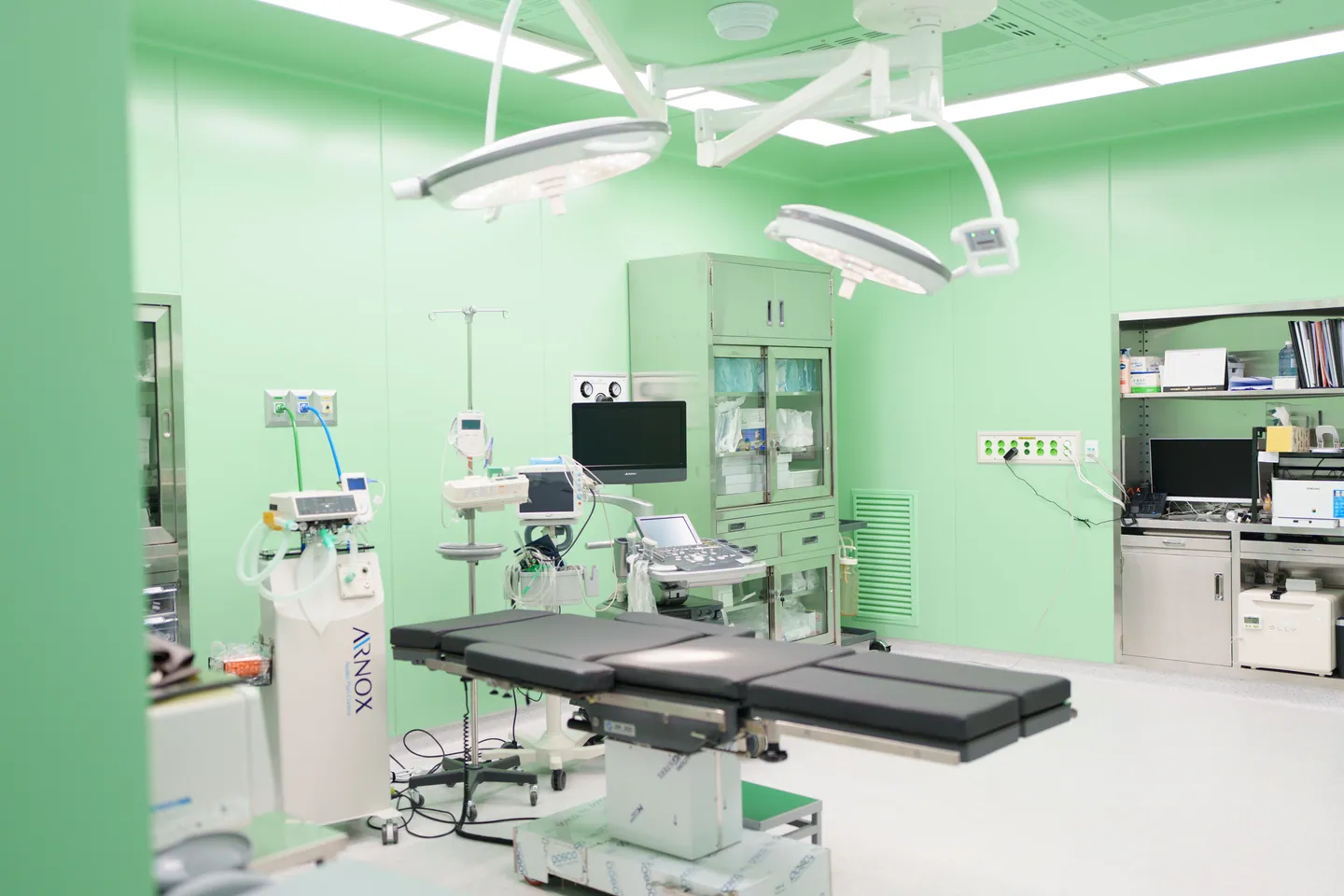 02Epidural interventions
A non-surgical procedure in which medication is delivered into the space around nerves compressed by a disc or spinal stenosis to reduce inflammation and swelling.
May be considered for pain radiating from the neck or back into the arms or legs
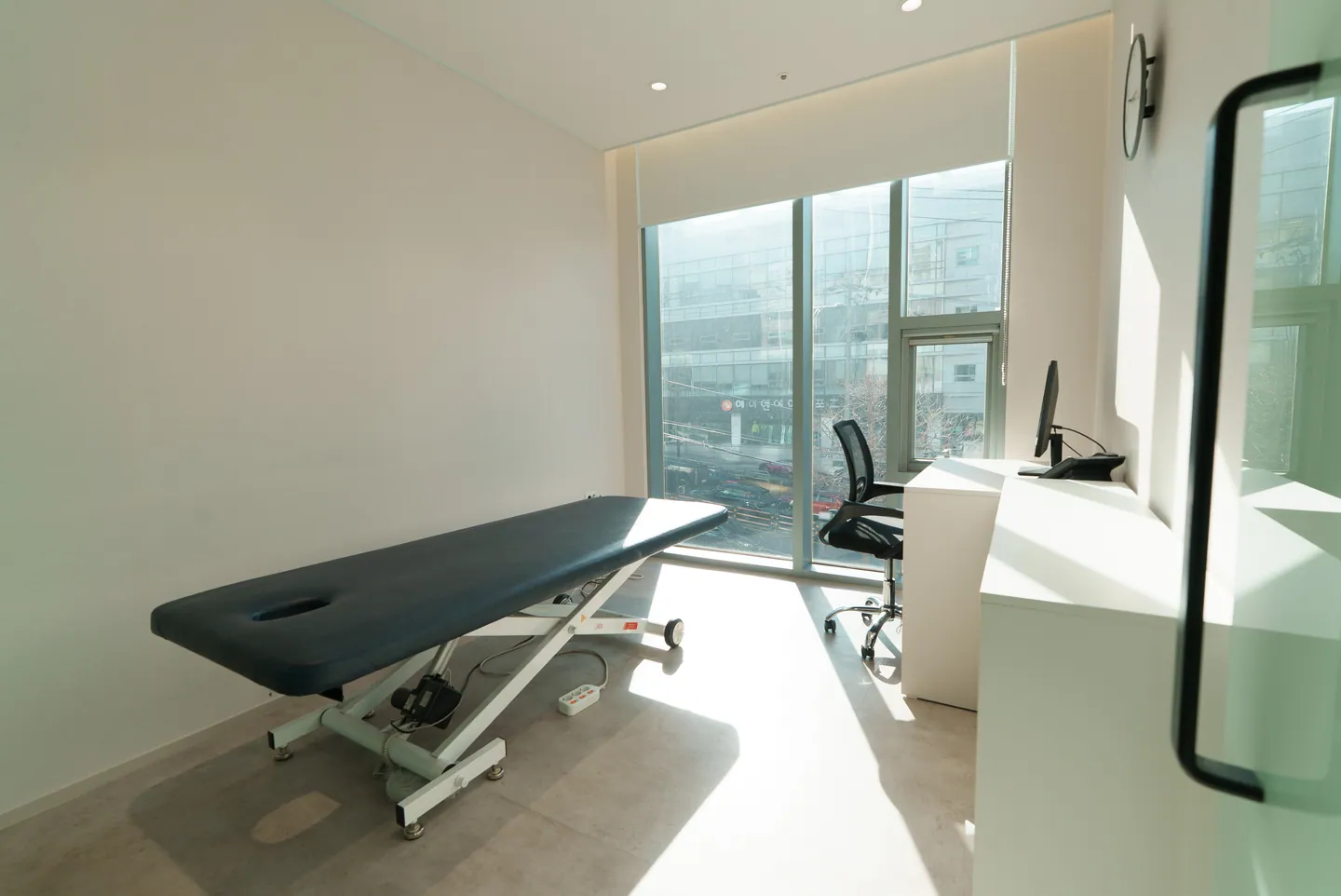 03Manual therapy
A therapist uses hands-on techniques to release tight muscles and joints while helping correct postural and movement habits contributing to pain.
May be considered when posture contributes to symptoms or muscles and joints are stiff
 04Regenerative injections
Prolotherapy, PRP, and PDRN injections support the recovery of injured ligaments, tendons, joints, and cartilage.
May be considered when pain in the same area recurs or is slow to improve
Treatment is selected based on examination and test results. Treatment responses and recovery times vary between individuals.
How care proceeds
- 01
Consultation and examination
We ask when and where the pain began and which positions aggravate it, then examine the painful area and neurological symptoms.
- 02
Tests
If tingling is also present, nerve conduction studies and electromyography help identify which nerve is compressed and where.
- 03
personalized treatment
Depending on the cause and severity of pain, injections, procedures, and manual therapy are planned individually or in combination.
- 04
Follow-up
We reassess pain after treatment and provide guidance on posture and exercise to reduce recurrence.
Frequently Asked Questions
Does a disc disorder always require surgery?
No. Most cases begin with non-surgical treatment such as injections, procedures, or manual therapy. Symptoms suggesting nerve damage, such as leg weakness or bladder or bowel problems, require prompt, detailed evaluation.
Can a disc problem improve over time?
A herniated disc is known to shrink over time in some cases. While pain and tingling continue, however, treatment that calms inflammation around the nerve and attention to posture can help. If you notice weakness, do not wait; please see a doctor.
Can neck and lower back disc problems occur together?
Yes. Posture and age-related changes affect both the neck and the lower back, so problems can develop in both areas. We examine each symptomatic area and decide which tests are needed.
How many nerve block sessions are needed?
This depends on pain severity and your response to treatment. We review changes after each procedure before planning the next treatment.
Talk to us about your symptoms
Leave your name and phone number and our staff will call you back during clinic hours.