
Joints & Pain
Peripheral Neuropathy
Tingling in the hands and feet, burning pain, and stabbing facial pain can occur when peripheral nerves are compressed or damaged. OSANG Neurosurgery uses nerve conduction studies and electromyography to assess the cause and provides non-surgical care such as nerve blocks and NPT.
Do you have any of these symptoms?
- Your hands or feet tingle or feel less sensitive
- You have burning or stabbing pain
- Sensation is reduced as though you are wearing gloves or socks
- Tingling in your hands wakes you at night
- Brief, intense, electric shock-like pain repeatedly occurs on one side of your face
What is peripheral neuropathy?
Compression or damage to peripheral nerves extending from the brain and spinal cord can cause tingling, pins and needles, pain, and reduced sensation. There are many possible causes, so treatment begins by finding where the nerve problem is occurring.
When do your symptoms occur?
Where the tingling begins, how far it spreads, and which movements make it worse are key clues to its cause.
- During sleep at night
Tingling in your hand wakes you, and shaking the hand brings some relief.
Possible causesCarpal tunnel syndrome
- When holding a phone or steering wheel for a long time
Your thumb, index finger, and middle finger tingle or feel less sensitive.
Possible causesCarpal tunnel syndrome
- When keeping the elbow bent for a long time
Your ring and little fingers tingle, and your grip becomes weaker.
Possible causesCompression of the ulnar nerve at the elbow
- Starting at the toes on both sides
Both sets of toes tingle and burn, with reduced sensation as though you are wearing socks. Over time, symptoms move toward the ankles and calves.
Possible causesPolyneuropathy due to diabetes or other causes
- When washing your face, brushing your teeth, or eating
Electric shock-like pain repeatedly affects one side of the face for a few seconds at a time.
Possible causesTrigeminal neuralgia
- When clothing or bedding brushes the skin
The area previously affected by shingles burns and hurts even with light contact.
Possible causesPostherpetic neuralgia
- When extending the neck or bending the lower back
Pain and tingling radiate from the neck or lower back into one arm or leg.
Possible causesRadiculopathy due to a cervical or lumbar disc disorder
How patterns of tingling differ
Whether tingling affects one side or both, and which fingers are involved, helps identify the affected nerve and possible cause.
Carpal tunnel syndrome
- Area of tingling or pain
- From the thumb to half of the ring finger
- Key features
- Worse at night and relieved by shaking the hand
- Distinguishing clue
- If it progresses, the muscles at the base of the thumb waste away, and objects are frequently dropped
Polyneuropathy
- Area of tingling or pain
- From the toes upward on both sides, followed by the fingertips
- Key features
- Similar symptoms on both sides, with burning and reduced sensation
- Distinguishing clue
- Common causes are diabetes, vitamin B12 deficiency, and alcohol use
Trigeminal neuralgia
- Area of tingling or pain
- One side of the face: cheek, jaw, or forehead
- Key features
- Electric shock-like stabbing pain lasting a few seconds
- Distinguishing clue
- Pain is triggered by washing the face, brushing teeth, chewing, or speaking
Radiculopathy (cervical or lumbar disc disorder)
- Area of tingling or pain
- One arm or one leg
- Key features
- Radiating tingling with neck or lower back pain
- Distinguishing clue
- Worsens when extending the neck or bending the lower back
Do not delay medical care for these symptoms
- One side of the face, an arm, or a leg suddenly becomes numb or weak, with slurred speech
- Tingling rapidly spreads upward over a few days, and your legs become weak
- Hand or foot weakness causes you to drop objects or drag a foot
- You have a wound on your foot but do not feel pain
Sudden paralysis on one side of the face, arm, or leg, or slurred speech, may indicate a stroke. Call 119 immediately. Do not delay medical assessment for the other symptoms either.
There is more than one possible cause
- 01
Carpal tunnel syndrome
Compression of the median nerve at the wrist causes tingling in the thumb through the middle finger, often worse at night. In severe cases, the thumb muscles waste away and objects are frequently dropped.
- 02
Cervical or lumbar radiculopathy
A disc disorder or stenosis in the neck or lower back presses on a nerve root, causing radiating pain and tingling into the arm and hand or from the buttock to the toes.
- 03
Diabetic peripheral neuropathy
High blood sugar damages small blood vessels and nerves, typically causing symmetrical tingling that begins in both feet and gradually moves upward.
- 04
Trigeminal neuralgia
Brief, electric shock-like stabbing pain repeatedly affects one side of the face. Even light stimuli such as chewing, speaking, or washing the face can trigger it.
- 05
Postherpetic neuralgia
Nerve pain continues after a shingles rash has cleared. Even contact from clothing may be painful.
- 06
Other causes
Various medical conditions can damage nerves, including thyroid disorders, vitamin B12 deficiency, alcohol use, and medication side effects.
Which tests are used?
- Nerve conduction studies (NCS)
Electrodes are placed on the skin, and mild electrical stimulation is used to measure the speed and strength of nerve signals. This helps objectively identify where a nerve is compressed or damaged.
- Electromyography (EMG)
A thin needle electrode is inserted into a muscle to record its electrical activity. The test assesses whether nerve damage has affected the muscle, the extent of damage, and the potential for recovery.
Treatment at OSANG Neurosurgery
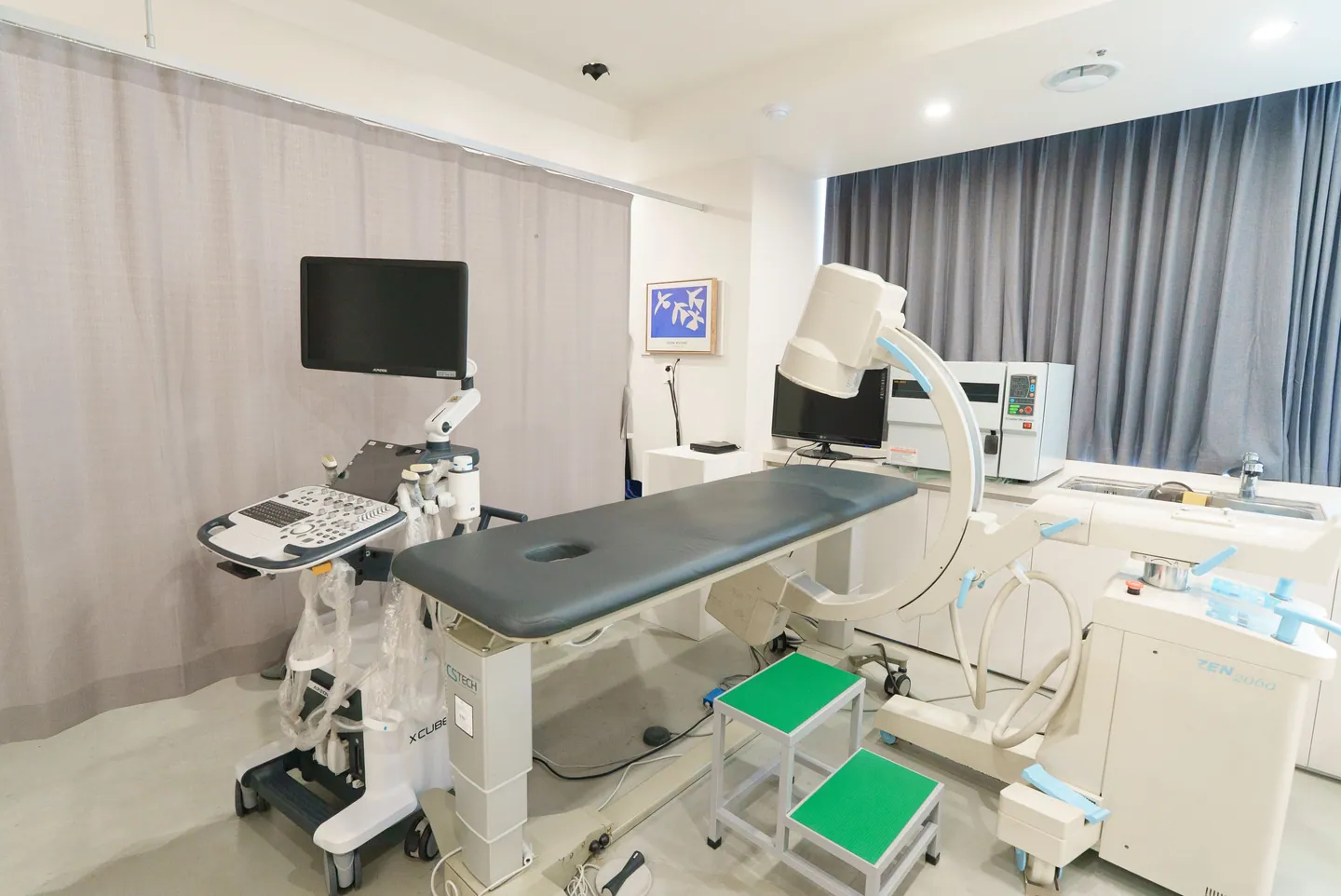
01Nerve blocksUsing C-arm fluoroscopy to check the needle position, medication is delivered around the nerve causing pain to reduce pain signals and inflammation.
May be considered when severe tingling and radiating pain interfere with daily life
 02Epidural interventions
A non-surgical procedure in which medication is delivered into the space around nerves compressed by a disc or spinal stenosis to reduce inflammation and swelling.
May be considered for pain radiating from the neck or back into the arms or legs
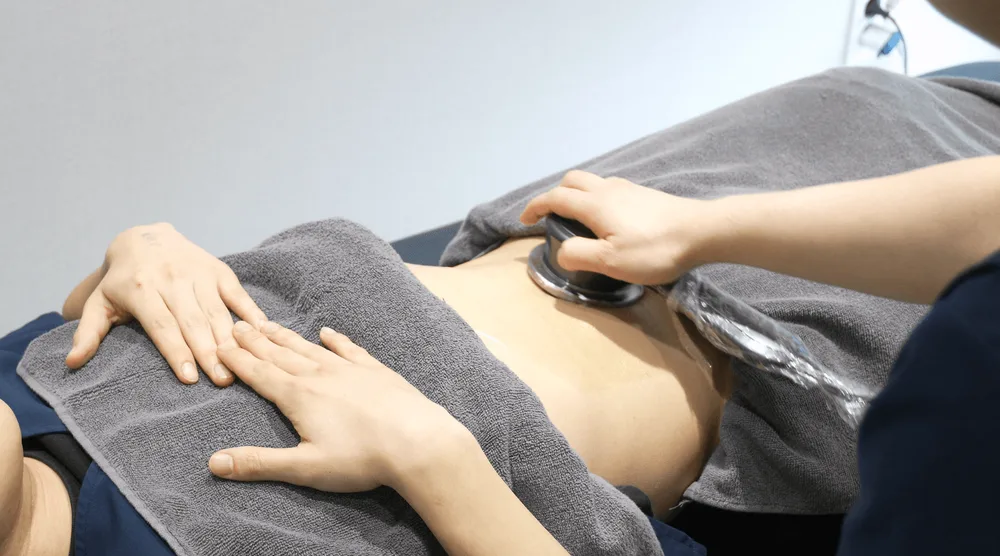 03NPT nerve stimulation physical therapy
OSANG Neurosurgery's non-surgical physical therapy delivers stimulation directly to autonomic and peripheral nerve pathways.
May be considered when autonomic symptoms occur alongside tingling or cold sensations
 04Manual therapy
A therapist uses hands-on techniques to release tight muscles and joints while helping correct postural and movement habits contributing to pain.
May be considered when posture contributes to symptoms or muscles and joints are stiff
Treatment is selected based on examination and test results. Treatment responses and recovery times vary between individuals.
How care proceeds
- 01
Consultation and examination
We ask when and where the pain began and which positions aggravate it, then examine the painful area and neurological symptoms.
- 02
Tests
Nerve conduction studies and electromyography identify the location of nerve compression and the extent of damage.
- 03
personalized treatment
Depending on the cause and severity of pain, injections, procedures, and manual therapy are planned individually or in combination.
- 04
Follow-up
We reassess pain after treatment and provide guidance on posture and exercise to reduce recurrence.
Frequently Asked Questions
Isn't tingling in the hands and feet a circulation problem?
Although it is often attributed to circulation, nerve compression or damage is a frequent cause. It is helpful to first investigate the cause through nerve testing.
Are nerve conduction studies painful?
The mild electrical stimulation may cause a brief tingling sensation, but most people find it tolerable.

Talk to us about your symptoms
Leave your name and phone number and our staff will call you back during clinic hours.