
Joints & Pain
Myofascial Pain Syndrome
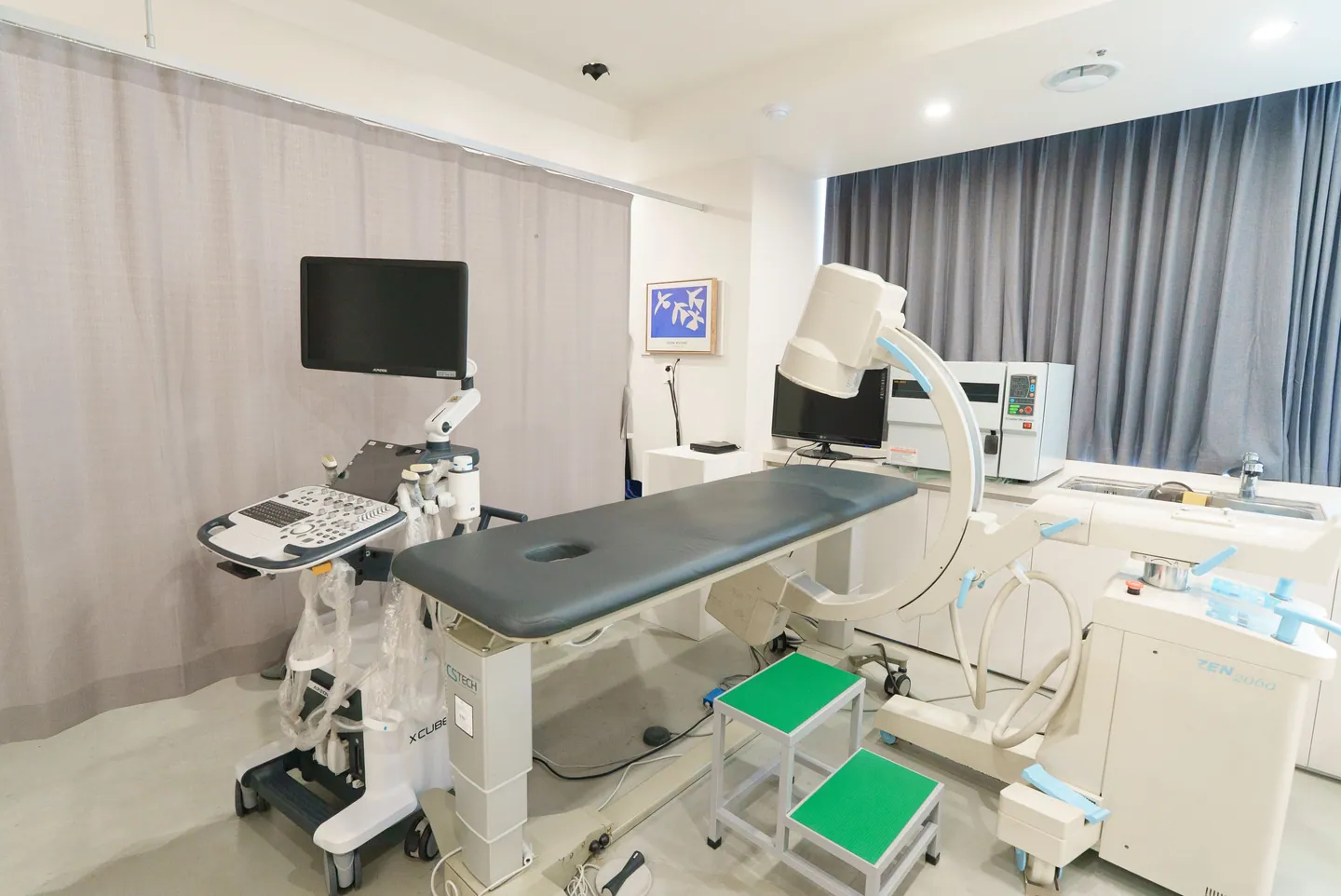
Myofascial pain syndrome causes tight knots in shoulder, neck, or back muscles, with pain that can spread elsewhere when pressed. OSANG Neurosurgery uses manual therapy, nerve blocks, and NPT to address tight muscles and the causes of pain together.
Do you have any of these symptoms?
- You can feel a firm knot in the muscles of your shoulders, neck, upper back, or lower back
- Pressing the area causes pain to spread to a distant area
- Pain worsens when you remain in the same position for a long time
- Headache or pain behind the eyes occurs as well
- Symptoms worsen with stress or insufficient sleep
What is myofascial pain syndrome?
Sensitive, tight points can develop in muscles and the tissue surrounding them, called fascia. Pressing these points causes local pain that can also spread to distant areas. Pain commonly described as a muscle knot or spasm may recur over a long period.
When do your symptoms occur?
Even similar pain can suggest different causes depending on when it worsens and which positions make it worse. Describing your symptoms as in the examples below helps us identify the cause.
- In the afternoon after working seated for a long time
The back of the neck and the tops of the shoulders feel tight, knotted, and sore.
Possible causesMyofascial pain in the neck and shoulders
- When pressing a tight spot
The pressed area hurts, and pain spreads to distant areas such as the head, arm, or back.
Possible causesTrigger point
- When you get up in the morning
Your neck or back feels stiff and difficult to turn, then loosens slightly with movement.
Possible causesSleeping position and muscle tension during the night
- When stress builds up or you do not get enough sleep
Your shoulders stay raised and tense, and pain feels more widespread.
Possible causesWhen muscle tension does not release
- When you have a headache
A tight headache may affect the back of the neck, temples, and behind the eyes.
Possible causesHeadache arising from the fascia of the neck and shoulders
- When a muscle suddenly locks up
Movement in a particular direction causes a stabbing pain, making it difficult to turn your head or lower back.
Possible causesAcute muscle tension
How it differs from similar pain
Treatment differs depending on whether pain begins in a muscle or results from a compressed nerve, so we first distinguish the cause through examination.
Myofascial Pain Syndrome
- Pain location
- Specific muscles in the neck, shoulders, upper back, or lower back
- Key features
- A spot that hurts when pressed and refers pain elsewhere
- Tingling or numbness
- Usually none
Disc-related pain
- Pain location
- From the neck or lower back into an arm or leg
- Key features
- Pain that radiates along a nerve
- Tingling or numbness
- Tingling, numbness, or weakness in the hands or feet may occur together
Fibromyalgia
- Pain location
- Widespread areas of the body
- Key features
- Fatigue, sleep problems, and heightened pain sensitivity may occur together
- Duration
- Often persists for a long time
Do not delay medical care for these symptoms
- Tingling, numbness, or weakness also affects an arm or leg
- You have a fever or unexplained weight loss
- Pain continues without relief, even at night
- Pain began after a fall or injury
These symptoms may have a cause other than a muscle problem and require examination and testing.
Why does it happen?
- 01
Staying in the same position for a long time
Prolonged computer and smartphone use keeps the neck and shoulder muscles tense.
- 02
Repetitive use
Work or exercise that repeatedly uses the same muscles can cause small injuries to build up.
- 03
Stress and insufficient sleep
When tension does not ease, the muscles cannot rest and pain lasts longer.
Treatment at OSANG Neurosurgery
 01Manual therapy
A therapist uses hands-on techniques to release tight muscles and joints while helping correct postural and movement habits contributing to pain.
May be considered when posture contributes to symptoms or muscles and joints are stiff
02Nerve blocksUsing C-arm fluoroscopy to check the needle position, medication is delivered around the nerve causing pain to reduce pain signals and inflammation.
May be considered when severe tingling and radiating pain interfere with daily life
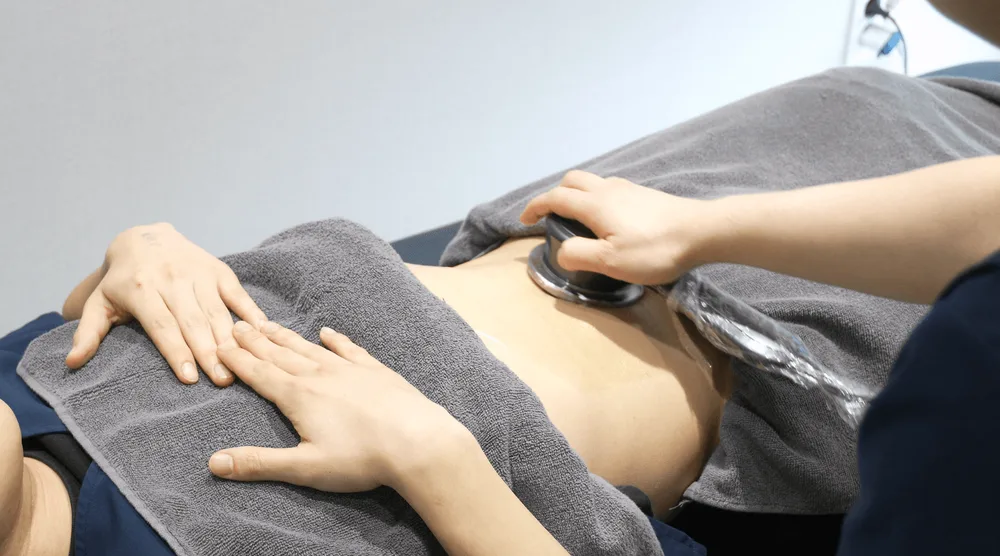 03NPT nerve stimulation physical therapy
OSANG Neurosurgery's non-surgical physical therapy delivers stimulation directly to autonomic and peripheral nerve pathways.
May be considered when autonomic symptoms occur alongside tingling or cold sensations
 04Regenerative injections
Prolotherapy, PRP, and PDRN injections support the recovery of injured ligaments, tendons, joints, and cartilage.
May be considered when pain in the same area recurs or is slow to improve
Treatment is selected based on examination and test results. Treatment responses and recovery times vary between individuals.
How care proceeds
- 01
Consultation and examination
We ask when and where the pain began and which positions aggravate it, then examine the painful area and neurological symptoms.
- 02
Tests
We examine tight muscles and the direction in which pain spreads. Additional tests are used when another cause, such as a disc or nerve problem, is suspected.
- 03
personalized treatment
Depending on the cause and severity of pain, injections, procedures, and manual therapy are planned individually or in combination.
- 04
Follow-up
We reassess pain after treatment and provide guidance on posture and exercise to reduce recurrence.
Frequently Asked Questions
Will massage help?
Massage may provide temporary relief, but muscles can tighten again if the same posture and tension continue. Recurrent pain requires care that also addresses the cause of the tension and your posture.
Is this different from fibromyalgia?
Myofascial pain syndrome is localized pain that begins in a particular muscle. Fibromyalgia involves more widespread pain, often accompanied by fatigue and sleep problems. An examination helps distinguish them.

Talk to us about your symptoms
Leave your name and phone number and our staff will call you back during clinic hours.